
Blood Pressure & Pregnancy- Part 2 The More Severe
Alright, it’s been a while so let’s recap.
The last post (The Pregnancy Complication Series: (Part three) we discussed the basics of pregnancy specific blood pressure disorders. We discussed gestational hypertension, preeclampsia, preeclampsia with severe features, who is at risk, and what we can do for prevention.
This week we continue the conversation and expand to the more severe forms of pregnancy related blood pressure disorders: HELLP syndrome, postpartum hypertension/preeclampsia, and eclampsia.
HELLP Syndrome
H – hemolysis (the destruction and breakdown of red blood cells, this is breakdown that occurs prematurely)
EL– elevated liver enzymes (three times the upper limit)
LP– low platelets

In addition to the symptoms of preeclampsia, patients often present with right upper quadrant pain. This is pain that is under the right rib and as I said in the last post, the pain usually feels worse when you lie down. Nothing can really improve this pain. Additionally, people will feel generally unwell. In about half of the cases, new onset nausea and vomiting may occur. If this happens, it is most likely going to occur in the third trimester but can also occur postpartum. This is one of the most severe forms of preeclampsia, and I have had this twice. Once with my first pregnancy in the third trimester and the second time postpartum for my last pregnancy and let me just say, this is NO joke and is an emergency.
Due to the severity of this condition, if you are still pregnant, delivery is recommended regardless of how far along you are. The majority of cases occur during pregnancy between 27 and 37 weeks. In the postpartum period, HELLP can occur between 48 hours to one week after delivery.
What are the Risks?
People that are more at risk for HELLP are either in their first pregnancy or subsequent pregnancies and of older age (advanced maternal age).
What Would This Process Be Like?
During and after delivery your liver enzymes would be closely monitored. If you are at or over 34 weeks gestation, delivery is recommended as soon as the mother is stable. If less than 34 weeks, betamethasone would be given to the mother for fetal lung maturity. This is given in the form of a shot and if you have enough time, you ideally want two doses of this.
A magnesium IV drip will also be started for seizure prophylaxis for at least 24 hours and let me tell you this is an out of body experience, that is the only way that I can describe it. Although it is not for the weak, I highly recommend that you fight through the cons of feeling terrible on this medication. The benefits far outweigh how you feel while on it.
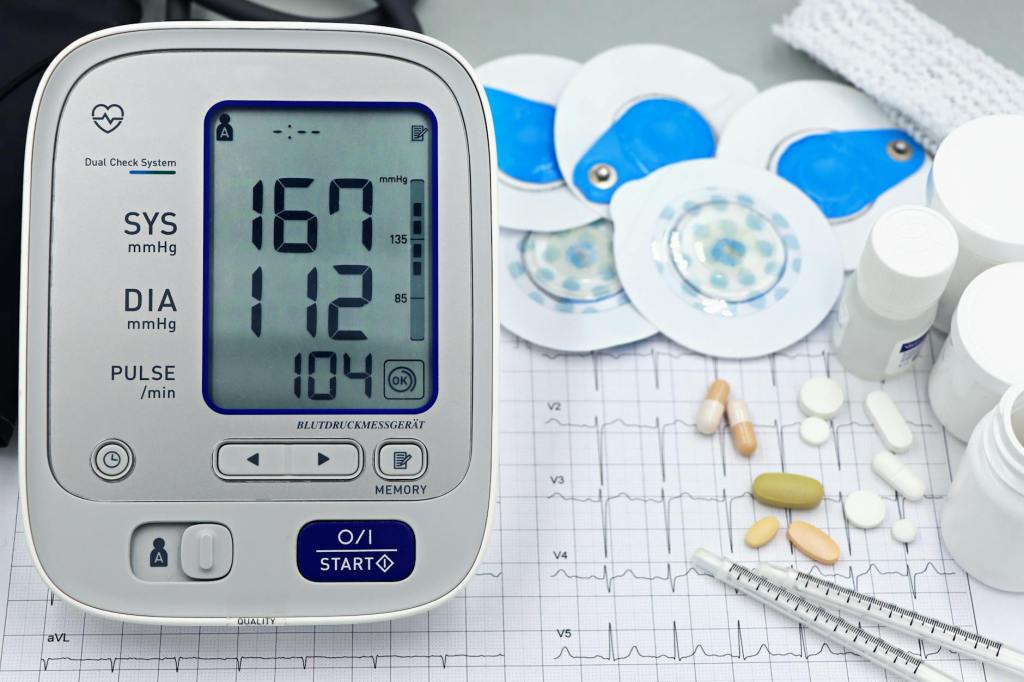
In addition to seizure prophylaxis, blood pressure management is also required especially when blood pressures are >/= 160/100. This is managed by blood pressure medications either via IV or by mouth.
Postpartum Hypertension/Preeclampsia
This is hypertension and/or preeclampsia that occurs within 6 weeks of delivery. Treatment may include blood pressure medications, and you would have the same symptoms as preeclampsia that occurs during a pregnancy.
Eclampsia
This is defined as a new onset seizure that occurs in a pregnancy with an existing pregnancy hypertensive disorder. It’s important to note that this is a seizure that does not have another underlying cause. Meaning if someone has known epilepsy or if there is suspicion for drug use or a brain bleed.
This is the most severe case of this disease.
Are There Signs?


There are not always signs that the hypertensive disorder will escalate to this level, however if you do show symptoms, it would include the persistent headaches we have discussed, visual changes, light sensitivity, and an altered mental status.
Complications
The complications of this can be dire. The seizure itself can decrease oxygen to the brain; placental abruption (the placenta tearing away from the uterine wall); Disseminated intravascular coagulation (DIC) – too much blood clotting, then too much bleeding (uncontrollable). Given how high risk this is, it can also lead to maternal and potentially infant death.
This is why magnesium is given via IV—for eclampsia prevention in someone with preeclampsia with the severe features mentioned in the previous post as well as used to treat/prevent continuing seizures.
Once stable, the next step is delivery. The risk is just too high to continue a pregnancy in this state. It is also important to know that this risk is not only during pregnancy but could potentially occur after delivery.
Be vocal about what you are feeling not only during pregnancy, but also postpartum.
How Does Blood Pressure Medication Feel?

Initially you will experience headaches when getting used to the medication. Your body may be used to your blood pressure running on high. Once you drop to a stable level, you can experience headaches. Additionally, as your blood pressure is dropping you may become dehydrated due to your body getting rid of extra fluid. It is beyond important to HYDRATE. I cannot stress this enough. Hydrate. Hydrate. Hydrate. Dehydration on top of your blood pressures stabilizing worsens the headaches. This is normal for at least the first two weeks. Hang in there. Too many people stop their medications because of this side effect.
Change position slowly. On a normal basis, if we jump right up after sitting or lying down our blood pressure drops and can cause lightheadedness and dizziness. This sensation is heightened on a blood pressure medication.
I’ve Had One of These Conditions, Now What?
If you are discharged from the hospital with blood pressure medications, expect to continue the medications at least until the postpartum visit (6 to 8 weeks after baby is born). At that point you may be instructed to wean off of the medications, or you may need to follow up with your primary care provider to discuss weaning off.

If you have had any of the conditions in this blood pressure series, you need to follow up with your primary care provider yearly to check your overall health and monitor your blood pressures. Why? Because having one of these conditions can put you at risk for hypertension later in life. Additionally, you need to follow up with a cardiologist. If you can find or have access to a women’s health cardiologist, this would be even better. It is not only good as a follow up to these conditions, but it is a good idea to establish care and a baseline in the event that hypertension does occur later in life.
Next up: We will discuss chronic hypertension…

Leave a Reply