
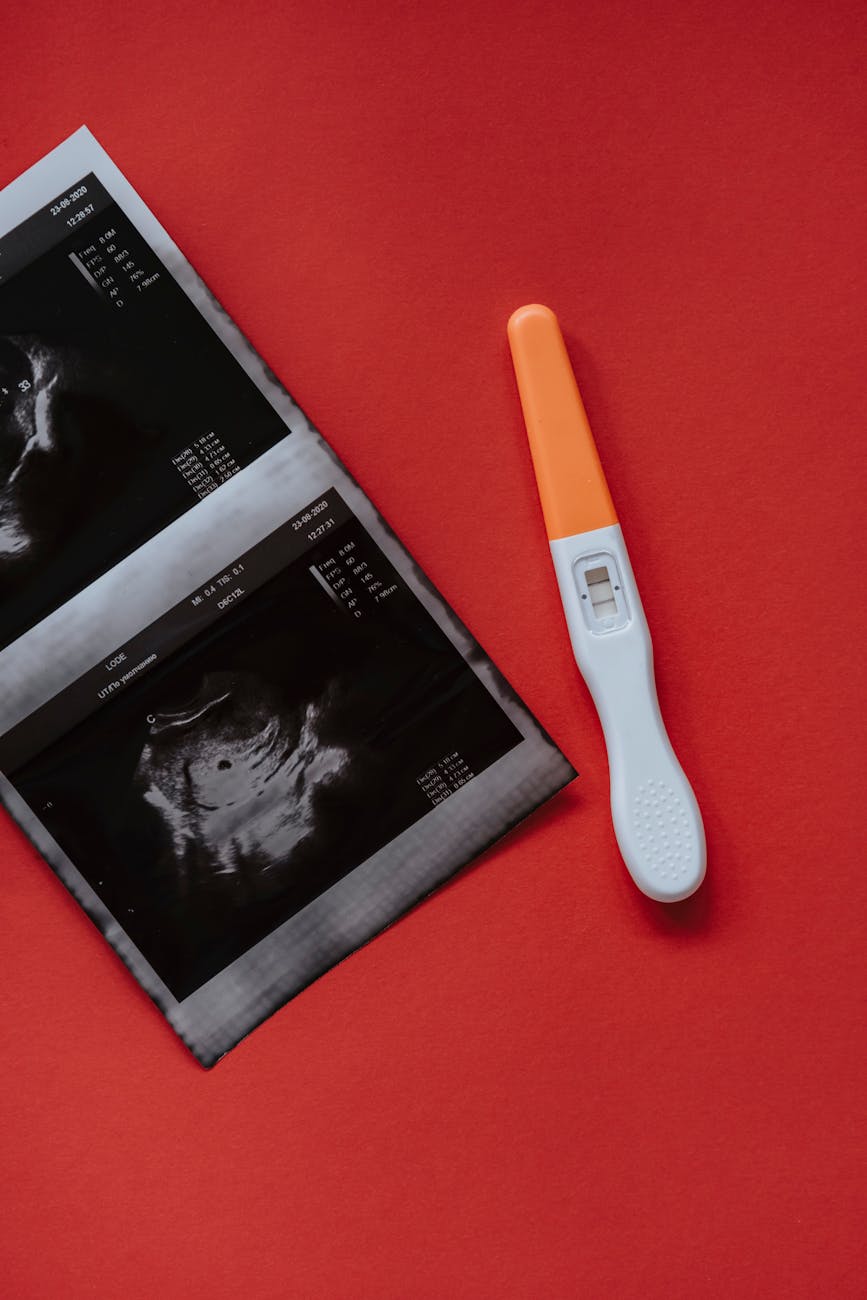

You found out you’re pregnant, but you are on medication for a chronic condition and you are not sure what to do. Before stopping cold turkey, please read this guide.
One of the reasons I became a family nurse practitioner instead of a midwife or women’s health nurse practitioner (even though it would have made sense since I was a labor and delivery nurse before), is because pregnant people also come with co-morbidities. Pregnancy does not equal healthy. It was important for me to know how to treat conditions that are not related to someone’s pregnancy. And it is important for you to know what to do when you are pregnant and have a comorbidity.
First things first. Remember that you are connected to your pregnancy. What affects you can have direct effect on your pregnancy.
Let’s Start with the Basics…
…Your breathing is IMPORTANT. You need to be able to get good oxygen into your lungs on a regular basis and this does not change because you are pregnant. The benefit of your medication far outweighs the risk to the pregnancy. Uncontrolled asthma or decreased oxygen to you = decreased oxygen to the pregnancy. To name a few, the majority of asthma medications such as albuterol (a rescue medication), montelukast (generic for Singular), and fluticasone (generic for Flovent) are generally safe to continue during your pregnancy.
The good news…pregnancy can actually improve asthma symptoms!
Your Heart & You

The triad—cholesterol, diabetes, and high blood pressure or hypertension. One or all three can lead to heart disease. It is vital to your health in general to have these under control as well as before conceiving as these uncontrolled conditions can lead to pregnancy loss. To be clear this is not the case for every uncontrolled situation, but it is still a risk to be aware of.
The Fats
Unfortunately for high cholesterol, the medications used are not safe to use when pregnant or breastfeeding. Additionally, cholesterol levels can naturally increase during pregnancy as well as when breastfeeding. Having an improved diet can help to keep your cholesterol stable at the very least and reduce your risk of heart attack and stroke. Additionally, exercise, specifically cardio, can improve your heart health (think cardio = heart). Exercise helps to improve/increase your healthy cholesterol (HDL) and decrease your bad cholesterol (LDL). Think H= healthy; L=lousy to remember which is which. If you know that you are planning to conceive talk to your PCP about your plan for treatment after delivery. Depending on how bad you are starting, you will stop your medication once you are pregnant and usually if you want to breast feed, it is allowed for about 3 months before you have to get back on medication. So, in this case I would say you should stop your medication, however, start building a relationship with your PCP and have this discussion before pregnancy if you can.
High cholesterol in pregnancy can lead to other pregnancy complications such as gestational diabetes, preeclampsia, and cholesterol build up to the fetal arteries.
The Sugars
Without pregnancy, uncontrolled diabetes can lead to vision loss or blindness, extremity loss (such as getting your foot amputated due to nerve loss), heart disease, high and lows to your mood, kidney disease, recurring yeast infections, and vaginal dryness to name a few and this is just how it affects you. Imagine how all of this affects the placenta and ultimately the fetus. The placentas’ job is to provide nutrients and oxygen to the fetus. And remember we said what affects you affects the pregnancy. So, if you have continuous high blood sugar and you supply your baby nutrients through the placenta, that little peanut is continuing to also get sugar, and sugar, and sugar. This can lead to:
- defects,
- rapid weight gain of the fetus leading to more issues, such as shoulder dystocia (aka delivering the head but then the shoulders get stuck),
- trouble regulating blood sugar once born,
- preeclampsia, and
- even death from being exposed to excessive amounts of sugar.
A pregnancy complication series is coming soon and will go into a deeper dive, but long story short this is NOT good for the pregnancy at all.
Depending on how well or how poorly controlled your blood sugar is you may be on medication. Metformin is safe during pregnancy. It is usually the first choice for treatment, outside of your diet, to control your blood sugar. Do not stop this medication if you are on it out of fear that it will harm the pregnancy. Now insulin is a different story, this is used last when someone needs help to control their blood sugar during pregnancy and not all types are safe for pregnancy. At the same time, the risk of stopping the medication may far outweigh the risk of continuing it.


Some patients alter their dose on their own without speaking with a provider. I see you through the screen, I know who you are. Please do not do this.
Best practice: Meet with your provider before altering your dose or completely stopping these medications.
The Blood Flow
The final piece to this triad is your blood pressure. There are so many types of blood pressure medications, but the main two used initially and the safest for pregnancy are labetalol and nifedipine (or Procardia). Not a whole bunch of options to work with and chances are, if you are not pregnant you aren’t on these medications. When you are first put on blood pressure medications the dose needs to be titrated to what is therapeutic for you and the same would occur if you end up needing to change medications because you are pregnant. Again, if you can, try to inform your PCP that you are trying to conceive so changes can be made early. If things don’t work out this way because life happens and we cannot plan every detail, inform your PCP and your OB immediately so that you can change treatments.
Without pregnancy, high blood pressure can lead to heart failure, increases risk of heart attack, stroke, kidney disease or failure, and vision loss. This is again showcasing how this comorbidity affects only you. Once pregnant, uncontrolled blood pressure in pregnancy can lead to:
- preeclampsia or HELLP (trust me neither is fun),
- low birth weight,
- preterm delivery, and
- placenta abruption (the placenta tearing away from the uterine wall…EMERGENCY)
This will also be discussed in more detail during the pregnancy complication series.
As best you can manage your blood pressure with diet changes (less sodium…start checking labels), exercise (cardio = heart), and correct medication use.
The Butterfly Gland aka Your Thyroid
I REALLY x3 want you to understand how important your thyroid gland is to your health. Your thyroid literally affects your ENTIRE body. Here’s a couple of things that can occur with an uncontrolled thyroid hormone:
- high cholesterol (falsely elevated),
- high blood pressure (again falsely elevated, do you really want to be on blood pressure meds if the issue can be fixed by managing your thyroid?)
- weight changes (unintentional weight loss or trouble losing),
- mood changes (anxiety and depression),
- irregular periods or your period can just stop, and
- FERTILITY
Too many times, do I have patients stop their thyroid medication when they conceive. And there have been times when pregnancy loss occurs. Although first trimester losses mostly occur due to chromosomal abnormalities, an uncontrolled thyroid can increase your risk of miscarriage and stillbirth. Please do not stop this medication, it is needed to regulate your body.
Hyperthyroidism (overactive thyroid) is a little different, for this you may need to change your medication for the first trimester and then change to another for the remainder of the pregnancy. For this, make sure you also have an endocrinologist that can help manage your thyroid with your OB.
For hypothyroidism (underactive thyroid) outside and inside of pregnancy levothyroxine (or Synthroid) is the first line choice for management, continue this medication.
Obesity and GLP-1s
GLP-1s are an amazing aid to weight loss and have been around for a long time despite people outside of healthcare thinking it is a new craze. One thing about GLP-1s is you have to have a backup birth control option if you do not want to get pregnant, because conceiving while on these medications is not uncommon. Think of someone with PCOS with insulin resistance that is on this medication to help manage their symptoms. Their periods become regular because their body isn’t working against them and BOOM all of a sudden, it’s easier to get pregnant. Unfortunately, we do not know how these medications would affect a pregnancy and it is recommended to stop its use if you find yourself pregnant. This does not mean that you cannot get back on the medication once it is safe to use again.
Mental Disorders
Stopping cold turkey on your medication on a normal basis is not recommended. It is recommended to titrate down the dosage, just like how you had to titrate up to reach a therapeutic dose. With pregnancy, you are going to have a sudden increase of hormones which can sometimes worsen anxiety and depressive symptoms. You most definitely have the right to titrate down your medication (with the prescriber, no making this decision on your own), but it may be beneficial to stay on the medication. Depending on which medication you are on, it may be safe to continue its use so ask before eliminating. Also take into account that the benefit of continuing the medication may outweigh the risk of stopping the medication.
For the sake of time, we only discussed the most common co-morbidities; there are definitely more.
Now, if you are planning a pregnancy, it would be easiest to have a consult with your PCP or even your OB to make necessary changes to your medications prior to trying to conceive this way if you get pregnant you don’t need to make changes to your medications or try to get to a therapeutic dose during the pregnancy. But let’s be real, sometimes you aren’t planning a pregnancy, and, in this case, you still need to know what to do and hopefully this was beneficial to you.

Leave a Reply