
Blood Pressure & Pregnancy- Part 1 The Basics
Similar to gestational diabetes, initially people share that they do not have history of high blood pressure either for themselves or members in their family. Not having a history doesn’t necessarily keep you in the clear from the conditions we are going to discus
s
.
This discussion is going to be split into three parts; there is so much information, and it can be overwhelming in one setting.
Today we are going to discuss the different types of blood pressure issues brought on by pregnancy: gestational hypertension, preeclampsia, and preeclampsia with severe features.
As we know (and sometimes people don’t know and that’s okay), pregnancy can change our ENTIRE body. Your appearance and how your body normally functions can change and this is normal. Typically, in the beginning of pregnancy, your blood pressure is kind of naturally lower. However, around 20 weeks blood pressure can increase and then these conditions can appear.
Let’s take them one by one. But before we start, it is important to note that blood pressure in pregnancy should be less than 140/90. We are so used to learning 120/80, but pregnancy has different guidelines.
Gestational Hypertension
To review, gestational is the period between conception and birth, meaning this is hypertension (high blood pressure) that is only occurring during a pregnancy. This is determined based on your gestational age (how far along you are in the pregnancy). If you start to show high blood pressures at the beginning of the pregnancy that is just chronic hypertension. However, if you have consistently had normal blood pressures and now you are 20 weeks pregnant, THEN it is considered gestational hypertension.
How is it Diagnosed?
To confirm a diagnosis, you would need to have two separate blood pressure readings that are greater than or equal to 140/90. These readings should be at least four hours apart after 20 weeks of pregnancy. You will also need blood work to check your kidney and liver functions and urine testing to see if you have protein in your urine.
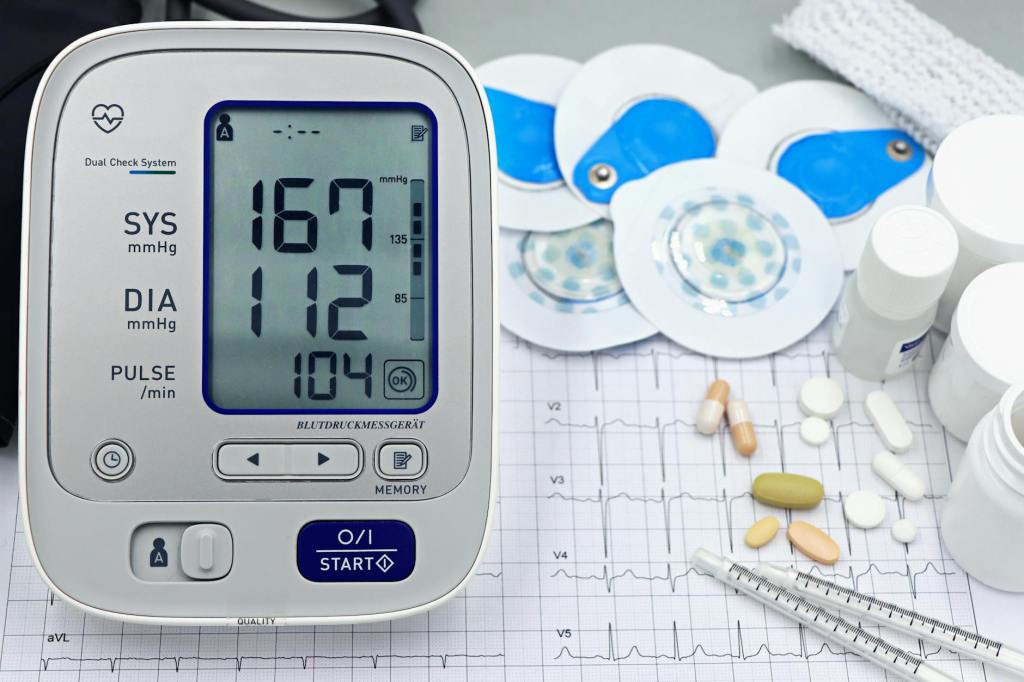
In addition to these findings, the elevated blood pressure occurs without protein in your urine or severe features. We will dive into what severe features are in a bit. If blood pressures are more severe—greater than or equal to 160/110, treatments with blood pressure medications will be recommended for control.
Preeclampsia
Around 50% of gestational hypertension cases progress to preeclampsia. This occurs when the same guidelines for gestational hypertension now include protein in your urine. Now let’s be clear, you can have some protein in your urine, but when it reaches more that 300 mg in a 24-hour urine collection or 0.3 for protein/creatinine ratio, it is preeclampsia.
Preeclampsia without Proteinuria
This is new onset hypertension with either of the following: low platelets (thrombocytopenia), elevated or doubling (from your baseline) serum (in your blood) creatinine (how well your kidneys are working), pulmonary edema (excess fluid filling your lungs), new onset headache that is not improving with interventions, and visual changes.
What are Severe Features?
- Elevated blood pressure
- Greater than or equal to 160/110 on two occasions at least four hours apart
- Thrombocytopenia (low platelets)
- Platelets less than 100,000
- Elevated liver functions
- Liver functions AST and ALT that are two times the upper limit of normal
- Right sided upper abdominal pain (right under the right rib) that is not explained by another diagnosis and medical interventions do not help the pain
- Elevated kidney functions that occur without kidney disease
- New headaches with no additional cause and that is not improved with interventions
- Visual changes such as new blurry vision, seeing black spots, or flashes of light
- New onset shortness of breath or pain with breathing not caused by another source
It is important to tell your provider if you are experiencing any of these symptoms even if you think it is normal for pregnancy. In a patient with severe features that is pregnant, delivery would typically be sooner (around 34 weeks) to prevent worsening conditions. If you do not have severe features, delivery would occur right at full term, which is 37 weeks.
In addition to managing your blood pressures, if you have severe features, you will also need magnesium sulfate to help with seizure prevention. This is done via IV drip in the hospital and trust me it is not fun, but necessary for your health.
Who is at Risk?
I honestly want to say anyone.
Let’s go back to the beginning with no family or personal history of high blood pressure. Did you know that the person who is experiencing their first pregnancy with no risk factors can account for the majority of the cases with hypertensive disorders in pregnancy? Yep. And that would not be the obvious person to assume, I know.
Here are a few more pregnancies that would be at risk:
- Multiple gestation, i.e. twins +;
- Preeclampsia in a previous pregnancy;
- Chronic hypertension
- Diabetes prior to pregnancy
- Gestational diabetes
- Pre-pregnancy BMI over 30
- Aged 35+
- Smoking
- Black race
There are more, but again this is a lot of information to begin with.
So, What Can You Do for Prevention?
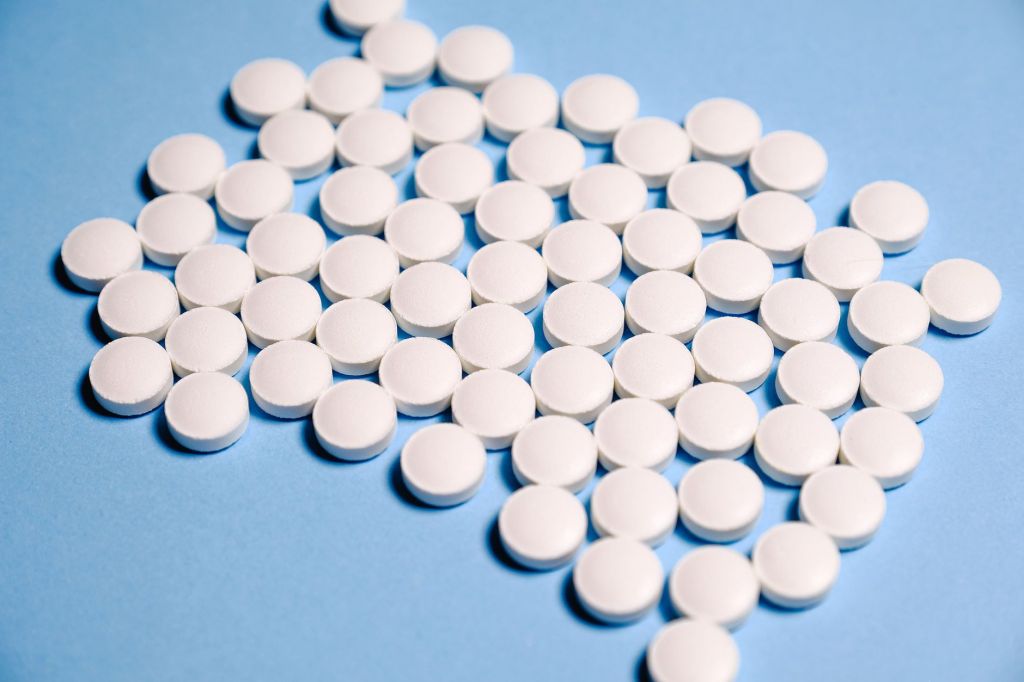
Start low dose aspirin—81 mg to 162 mg (2, 81 mg tablets) daily starting between 12-16 weeks until at least 37 weeks of pregnancy. Some providers recommend until the end of the pregnancy, so definitely check with your specific provider. The absolute latest time to start low dose aspirin for prevention is 28 weeks, after this point there isn’t much benefit.
What are the Signs?
Not to make anyone over worry, but some of the signs we think are normal with pregnancy can be signs of preeclampsia. If you are ever questioning how you are feeling, it is better to just mention your concerns to your provider. Even if things end up being normal, it’s better to bring it up than to miss something.
New Onset Nausea
Sometimes new onset nausea can just be heartburn. Yes, heartburn. But in other times, it can the start of a hypertensive disorder.
Headaches
Headaches in pregnancy are pretty normal with the increase in hormone levels and blood in the body. However, when you have a headache and you are well hydrated with water and electrolytes, you rest or take Tylenol and the headache persists—this is a sign that your blood pressure is elevated. This is why I would recommend trying interventions especially medication like Tylenol or even caffeine to see if this helps a headache in pregnancy as headaches can be one of the earliest indicators.
Swelling
And I don’t just mean your fingers or lower legs. I mean putting on more pounds swelling. Your face looks completely different aka “moon face” swelling. With a hypertensive disorder your body begins to retain fluid. For example, let’s say you drink 4 liters of water a day, but when you pee, you are not emptying nearly as much fluid as you take in and it’s starting to cause swelling and weight gain. This is the type of swelling that we worry about with hypertensive disorders. Even though this is the case, STILL tell your provider just in case your swelling isn’t the swelling that is typical for pregnancy.
Visual Changes
As stated earlier, this is new onset of seeing flashing lights, floaters, black spots, and blurry vision.
Right Upper Abdominal Pain
This is pain that is only under the right rib. The reason is because that is where your liver is located. With hypertensive disorders, the liver can begin to enlarge which causes pain. The best way to describe this pain is that it is a constant dull to sharp pain. It worsens when you lie down. Nothing relieves the pain.
Shortness of Breath
Especially if symptoms become more severe, you may find that normal tasks are extremely hard, and you may find that your heart rate is low.
It is imperative that you do not brush aside your feelings. Don’t feel shy or like you are bothering your provider by coming forward. Catching this earlier helps you to have better outcomes.
Next time we will take a deeper dive into severe variants: eclampsia, HELLP, and postpartum preeclampsia.


Leave a Reply