
Diabetes & Pregnancy- Part 2: Type 2 Diabetes
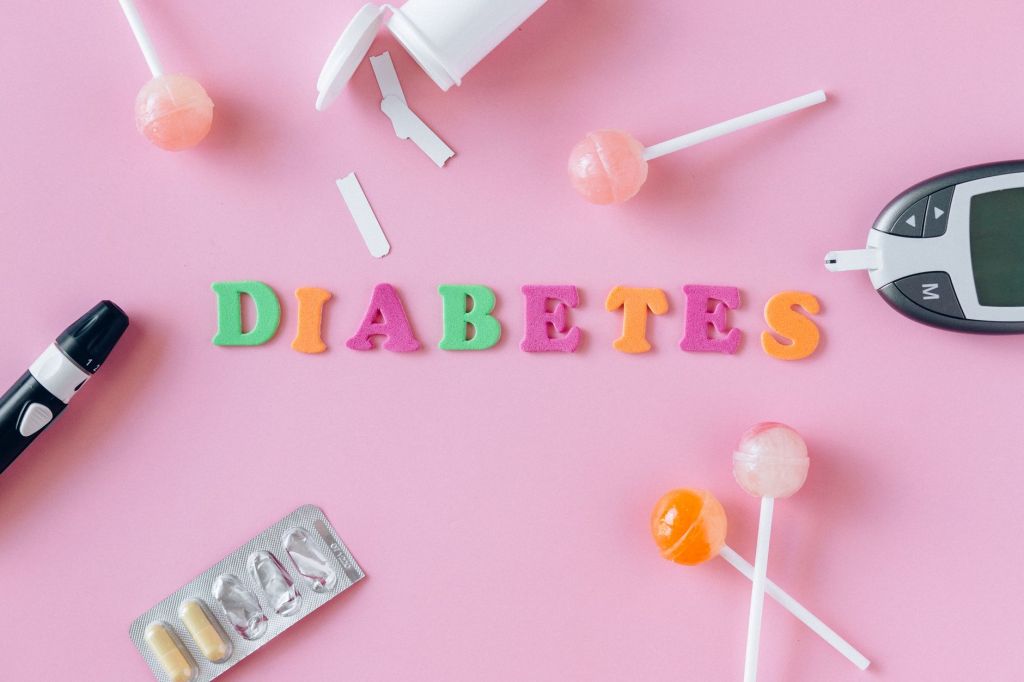
The last time we spoke about diabetes and pregnancy (The Pregnancy Complication Series) we discussed gestational diabetes which is diabetes that only occurs within a pregnancy. Today, we will discuss type 2 diabetes and its effect on pregnancy.
Let’s Start with the Basis: What is Type 2 Diabetes, How Does it Work?
Diabetes is how the body processes sugar in the body which we need for energy. When we eat certain foods such as carbs (breads, pastas, rice, fruit) the body breaks these foods down into sugar which then enters our blood stream. This is what is meant by the terms “blood sugar” or “blood glucose”. In addition to this, our body makes insulin and it is insulins’ job to open the door from the bloodstream to release these sugars to the body to be used for energy. Now when this does not happen as it should, a couple of things happen to the body.
- Insulin resistance: this occurs when insulin is present but does not open the door as easily as it should. This allows for it to be harder for the sugar to leave the blood stream, or
- The pancreas which produces insulin gets overworked and cannot produce enough insulin to combat insulin resistance
Due to this, sugar continues to build up in the blood instead of getting to where it is needed in the rest of the body leading to high “blood sugar”. Over time this begins to affect the entire body including our nerves, heart, kidneys, vision, and blood vessels to name a few.
Keeping the family practice hat on for now let’s talk about how this makes someone FEEL. Long story short, you feel like crap. In the early stages, you feel excessively tired (remember we need some sugar to give us energy). You feel excessive thirst; meaning you drink plenty of water, but you can’t seem to quench your thirst. You are peeing frequently and a LOT, even in moments when you aren’t drinking enough. Vision starts to become blurry.
What Can Happen Long Term?

*Dehydration. Remember you are excessively thirsty, but you are also excessively peeing out all the fluid you are taking in and more.
*The blurry vision can eventually turn into vision loss if diabetes is uncontrolled.
*Numbness and tingling in your fingers or toes. This is called neuropathy and this is why it is not recommended that someone with diabetes cut their own toenails and that they perform foot checks nightly. If not well controlled, you can lose the sensation in your fingers and toes which can lead to someone stepping on something hazardous without realizing it. This can also eventually lead to amputation of the limb.
*Very. Slow. Healing. This can mean that someone’s basic surgery recovery can be longer in someone with uncontrolled diabetes. The wound itself takes longer to heal, and the risk of infection is higher. This does not put someone who may need a c-section in a good spot for their recovery.
* Recurrent infections. For the ladies, there is an increased risk of vaginitis such as a yeast infection. Think of how yeast likes warmth and sugar to activate when making dough. This is why so many women with uncontrolled diabetes come into the clinic with concerns for recurring yeast infections.
What Puts You at Risk?
Type 2 diabetes makes up for at least 90% of diabetes cases. You are more at risk if you are obese, have a family history of type 2 diabetes in a parent or sibling, older age, not physically active, and have PMOS, formally PCOS.
PMOS can lead to insulin resistance which does not allow for an adequate amount of blood sugar to leave your blood stream.
You’re Diagnosed, Now What?
When someone is newly diagnosed with diabetes, they are started on treatment which usually includes increasing physical activity and making dietary changes; medications are started if necessary. Additionally, this person would be started on both a blood pressure medication and a cholesterol medication. The reason for this is because diabetes can increase the risk of developing both high blood pressure and high cholesterol. All three (the triad) can lead to heart disease. So even if someone has normal blood pressures and cholesterol these medications would be recommended for prevention.
Ok now that we have some of the basics down, let’s discuss how diabetes affects you during pregnancy.
Maternal Risk During Pregnancy

Due to the risk of high blood pressure either already being present or occurring later, the risk of pregnancy related high blood pressure can occur. Also, the mother would be at an increased risk of developing preeclampsia (this will be discussed further in the next post).
C-section rates tend to be a little higher due to the risk of macrosomia (excessive weight gain to the fetus). As we learned the previous post, macrosomia can lead to delivery complications such as shoulder dystocia and/or postpartum hemorrhage.
Pre-term delivery (delivery prior to 37 weeks). This can occur if the glucose levels remain uncontrolled, triggering the body into labor. In some situations, delivery would benefit the baby vs staying in utero and getting too much sugar putting them more at risk for hypoglycemic (low blood sugar) episodes once born along with the other delivery complications we discussed.
Recurrent vaginitis. As we just reviewed, without pregnancy this is a risk. In pregnancy however, your immune system is already depressed increasing the risk of infections. Untreated vaginal infections can lead to bleeding, cramping, and preterm contractions.
Risk to the Fetus—During Pregnancy
Uncontrolled diabetes, especially in the first trimester can lead to neural tube defects which are defects to the spine, brain, and spinal cord.
Throughout the pregnancy there can also be risk of damage to the heart of the fetus.
Risk to the Fetus—After Pregnancy
Uncontrolled diabetes can still have effects on your baby once they are safely delivered. Your child can be at risk for obesity and type 2 diabetes as well in the future.
Just like with gestational diabetes, respiratory distress is a risk to the baby once they are born. This can mean difficulty breathing due to immature lung development.

Hypoglycemia. Remember the baby is getting a constant amount of sugar from the placenta when diabetes is not well controlled. Once the baby is born and doesn’t have the constant sugar, the blood sugar rate decreases and sometimes it is a significant decrease. Keep an open mind if this happens. The first treatment is to feed the baby, however if the blood sugar is critically low and breast milk does not raise the blood sugar up enough or the baby is not latching well (which can happen since you are both figuring out breast feeding), the hospital will offer formula to bring the blood sugar up quickly. This does not mean that you failed. This does not mean that the baby will not take breast milk after the small amount given. It is for the good of the baby that you worked so hard to grow.
What Will Your Visits Be Like?
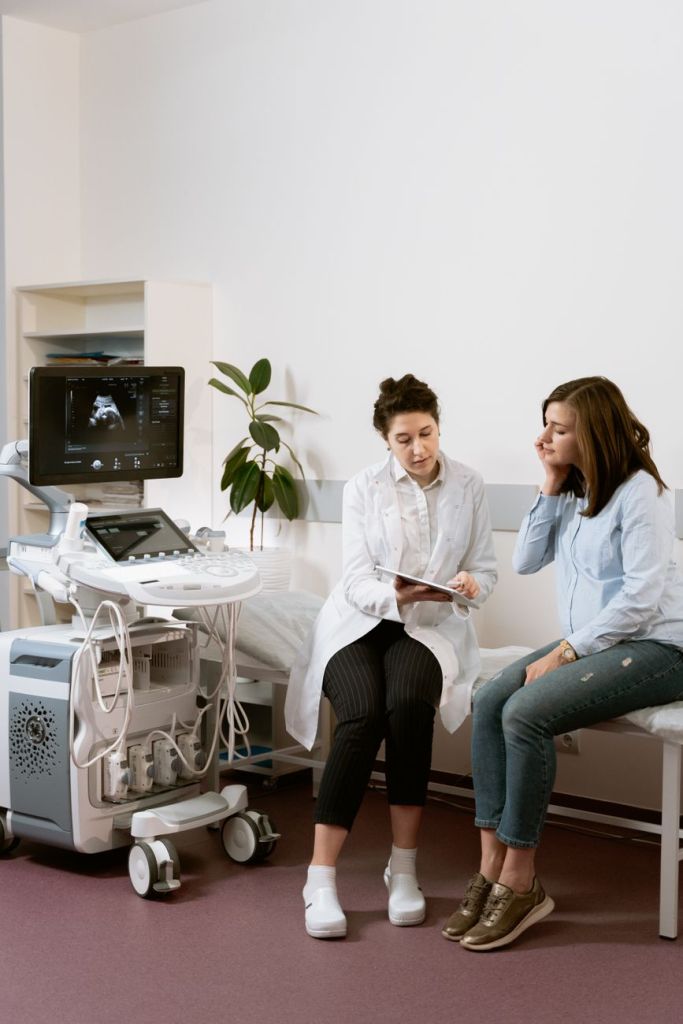
Depending on the severity you will be followed by maternal fetal medicine (MFM) alongside your normal prenatal visits. When this happens, so many patients ask why they need both appointments.
The MFM appointments are for serial ultrasounds of the baby’s growth and fluid. Towards the end of the pregnancy, you will start biophysical profiles or BPPs; this looks for the amniotic fluid around the baby, movement, breathing, tone, heart rate through a non-stress test (NST). The highest score is 10/10, but normal ranges from 8-10. Additionally, these visits usually end in a consult regarding your ultrasound, monitoring your blood sugar logs, and adjusting medications if needed. In some cases, when diabetes is severely uncontrolled, you may ONLY see MFM and not a regular OB/Gyn.
Your prenatal visits are routine visits, counseling on your pregnancy, developing your birth plan, monitoring your weight and blood pressure, etc. (Essential Prenatal Care: What to Expect During Your Pregnancy).
You do not need the glucola during pregnancy if you already have type 2 diabetes.
The Importance of Preconception Counseling
If you are on blood pressure or cholesterol medications adjustments need to be made when trying to conceive. Your blood pressure medication may need to be changed to one that is safe for pregnancy. Although, it is not always feasible, it is better to make these adjustments to your medication prior to conception. The ups and downs of your blood pressure and the titration of the medications is not stress that you need once you are already pregnant. In addition to changing your medication, it would be beneficial to change your diet and begin monitoring your daily sodium intake as this can also help to reduce your blood pressure. The recommended daily amount is less than 2300 mg per day and if you are a person of color, less than 1500 mg per day.
Cholesterol medications are not safe for pregnancy as well as breastfeeding. It is important to discuss your plans for pregnancy with your primary care provider so that you can safely discontinue the medication. When it comes to breastfeeding with high cholesterol, you will need to restart your medication by 3 months postpartum at the latest. During this time, you can breastfeed, but once you are back on your treatment you will need to switch to formula.
Lastly, I would recommend either starting a prenatal vitamin when you are considering getting pregnant or at least 400 mcg of folic acid daily to help prevent serious brain and spinal cord defects.
Whether you are pregnant or considering pregnancy, I hope this is beneficial to you. Even if you aren’t considering pregnancy, I hope this post helps you understand the importance of managing diabetes and how it can affect your overall health.


Leave a comment