
Diabetes & Pregnancy- Part 1: Gestational Diabetes
“I eat a lot of fruit, so I don’t have diabetes.”
“We have no family history of diabetes; I am pretty sure I don’t have diabetes.”
“I don’t eat a lot of sweets.”
“I didn’t have diabetes my last pregnancy.”
These are some of the statements that I hear when discussing the dreaded glucola drink for my patients’ upcoming visit. And I guess let me clarify, some people don’t actually mind the drink. So, to be fair, I will say it was dreaded to me because it was so sweet to me, blah.
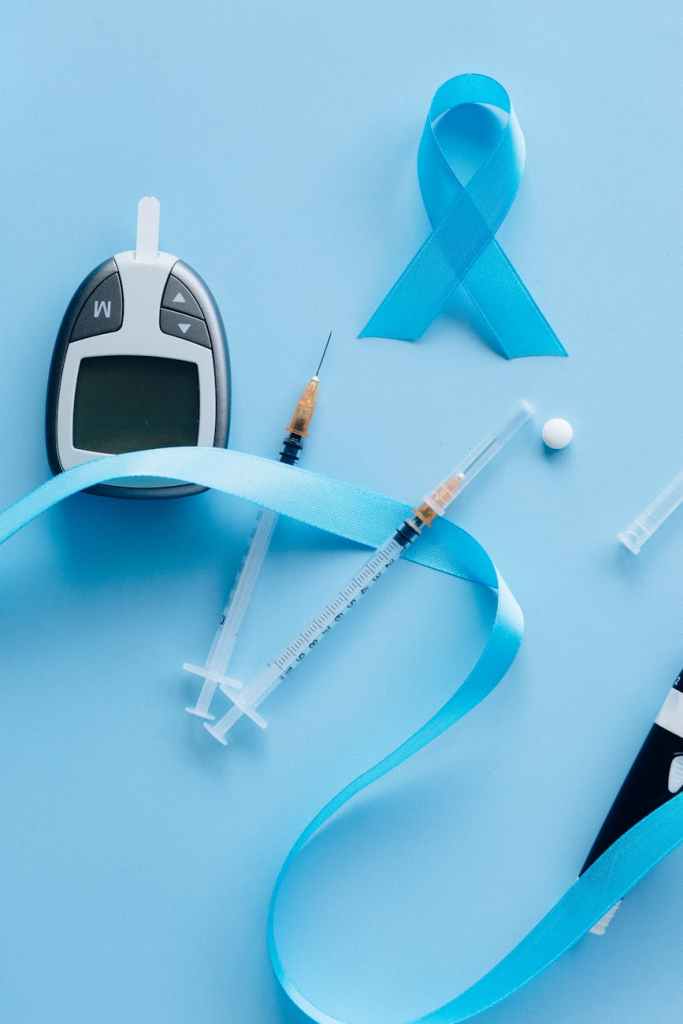
Gestational diabetes is the most common pregnancy complication, but even with that, it is so surprising to me how much it is downplayed. Too often patients do not see the severity that uncontrolled blood sugars can have on not only your body but the fetus’ body. Remember the end goal is healthy mom, healthy baby. I get it, sometimes you don’t want to be told you have something or have yet another thing to do during your day. But being pregnant is the beginning of giving up a little (or a lot) of yourself for something or better yet, someone else.
To quickly review as this will be addressed in more detail with part two, Type II Diabetes is diabetes that develops later in life for various reasons; the common reason being our dietary choices. Whereas gestational diabetes is diabetes that occurs only during the pregnancy.
What’s the Expectation?
Some practices are doing away with the early glucose tolerance testing for those that could potentially be high risk for gestational diabetes. Research has shown that it does not change the treatment or risk to the rest of the pregnancy to find out earlier. Early meaning the first trimester, either at your first or second appointment. Instead, an A1C which is a 3-month average of your blood sugar is collected at the first appointment and is the indicator for Type II Diabetes. Whereas the glucola is used to measure how your body processes glucose during the pregnancy.
The glucose tolerance test (GTT) occurs between 24-28 weeks of pregnancy, typically closer to 28 weeks. There are times, however, when the glucola may be indicated during the 24–26-week time frame and those reasons are as follows:
- Prediabetes prior to or at the start of the pregnancy,
- PCOS,
- Pre-pregnancy obesity/BMI over 30,
- Excessive weight gain in the pregnancy (see Pregnancy Lies! For recommended weight gain),
- Advanced maternal age (35+ years old at the time of delivery- obstetrics really makes you feel old),
- Large for gestational age aka the fetus is growing faster than expected based on how far along you are,
- MFM (Maternal Fetal Medicine or the high-risk provider) recommends it
Testing Day
It is not recommended to change your diet prior to the test. I will repeat, it is not recommended to change your diet prior to the test. We want an accurate result. It is one thing if you were already on the path to healthier eating before pregnancy or even at the beginning, but please do not change your diet leading up to the test. We would not want to miss this diagnosis.
On testing day, you will be given a 10oz bottle with a controlled amount of sugar (50g for the 1hr test). You must finish this drink within 5 minutes and once you finish the drink you cannot eat or drink anything for one hour. Once the hour passes your blood is collected and you are usually sitting in the clinic during this timeframe, so be sure to bring something to do.
The morning of testing is dependent upon the clinic. The majority of clinics have you fast for 8 hours meaning no food for 8 hours, but you can drink plenty of water until the drink is given to you. At some clinics, you can eat before the test but stop eating about 1-2 hours prior to the test. In this instance, you can still drink plenty of water leading up to the glucola. Either way though, if you end up throwing up the drink, sadly you would need to repeat the test on another day.
You Passed the Test, Now What?
Congratulations! If you were in the clinic with me, I would literally be applauding and so happy for you. In all honestly there is nothing further to do, but you still don’t want to gain unnecessary weight. Excessive weight can lead to more risks/complications, and it will be harder for you to lose in the end. There have been cases in my clinic when someone passed the GTT, then ate whatever and had to repeat the glucola test due to excessive weight gain just to be diagnosed with gestational diabetes later in the pregnancy. You have been warned.
Now if you passed but you were close to failing (about 1-2 points off) you still passed and get the congratulations with applause, BUT I would be honest with you about the fact that you were close and to add more protein to your diet and/or incorporate physical activity if you aren’t already.
You Failed the Test, Now What?
It depends. If you get a result of 200+ you failed failed and that means you have gestational diabetes. If you failed, but you are under 200, the next step is to complete a 3-hour GTT. This time you truly do need to be fasting for at least 8 hours. Your blood is collected FIRST and THEN you are given the drink. The glucola is twice the amount of controlled sugar this time at 100g. Your blood is this collected for each hour for 3 hours for a total of four blood draws. If you fail two of four tests, that is considered to be gestational diabetes. Long story short this is a confirmatory test, whereas the 1-hour GTT is a screening test.
In some clinics if you fail one out of four tests, that is not considered gestational diabetes but instead glucose intolerance. In this case, the next steps are the same as those with gestational diabetes as there are times that glucose intolerance can change to gestational diabetes.
Once you have the results the next step is nutrition counseling either by the registered nurse in your clinic or a nutritionist if your clinic has this as an option. You then will be given or prescribed a glucometer to measure your blood sugar four times per day. One fasting (before eating) and the other three measurements are collected 1-2 hours after eating per your clinics policy. I will be the first to tell you I am not a nutritionist, but in my RN days, I was the nurse providing this education and can provide a short guide in a later post.

Each visit following you will need to bring in your blood sugar readings to your visits so that your provider can monitor them along with your pregnancy. Some clinics also require that you bring the glucometer itself with you to the visits. It may be a good idea to get into the habit of doing this just in case.
I cannot stress how important it is to be truthful with your blood sugar values. I say this because there have been too many times that readings are made up because the patient either did not want to show the true readings or they forgot to test and made up numbers. There is no judgement we want to help you maintain control and have a healthy pregnancy. Remember healthy mom, healthy baby is our goal.
What is the Treatment?
The majority of the time, gestational diabetes can be treated with just your diet and exercise alone. If this is not working, the next step would be medication such as Metformin to help you keep better control of your blood sugars. The last resort medication would be insulin. Insulin would be used in situations where you either start off monitoring with very high blood sugars that need to be brought down quickly or you have a healthy diet and on Metformin, yet the blood sugars are still poorly controlled.
Having poorly controlled blood sugars are not always solely on how the person is eating. Let me explain. With gestational diabetes the hormones of the placenta cause insulin resistance and this makes it difficult for the fetus to have an adequate amount of glucose. When this occurs our pancreas overcompensates to help us and increases our insulin which then leads to high blood sugar in the mother. When uncontrolled, the excess glucose or “sugar” crosses the placenta. The placenta is how nutrients are provided to the fetus so when gestational diabetes is uncontrolled, and all of that sugar is crossing the placenta and getting to the fetus, this is where the complications begin.
So, What’s So Bad About Uncontrolled Sugars?
This is where we get into how this is a complication of pregnancy (finally, I know). Now we know why we do the test and why we need to have good control of our blood sugars. But as I said, uncontrolled blood sugars = excessive sugar to the baby. Just like with us, too much sugar leads to weight gain. Same for the baby. One of the common risks of uncontrolled sugars in excessive weight gain to the baby.
- Excessive weight gain to the baby comes with its own set of complications. It is not only the estimated weight that we are concerned for, but also the size of the abdomen that is a concern. If the baby is large in the abdominal area and you are having a vaginal delivery, there is a chance that you can push out the baby’s head and then the shoulders of the baby get stuck. This is called a shoulder dystocia. If this occurs, the delivery team is trained on maneuvers to get the baby out vaginally, however if those maneuvers fail, that means you would need a cesarean section. If you are successful in a vaginal delivery (which you most definitely can be), there is risk that the baby’s clavicle or upper arm can break and possibly a larger vaginal tear to the mother. There is also risk of nerve injury to the baby.
- Postpartum hemorrhage due to the size of the baby and potential larger tear.
- Developing preeclampsia is another risk. On a regular basis, Type II Diabetes can lead to increased blood pressure (hypertension). During pregnancy gestational diabetes, even well controlled has the risk of developing preeclampsia.
- Directly following birth, the baby’s blood sugar can drop. Remember the baby is used to getting excess sugar from the placenta, now that the baby is no longer attached to the placenta that constant supply ends dropping the baby’s blood sugar. The baby will have frequent blood sugar checks during your stay, and you will be instructed to feed the baby to keep the blood sugar up. If you are breastfeeding and the blood sugar continues to be low, formula is recommended to bring the blood sugar up quickly. From there you can continue to breastfeed.
- Respiratory distress due to the large size of the baby; this would mean breathing difficulties for the newborn.
- Risk of childhood obesity and Type II Diabetes.
- Risk of Type II Diabetes for the mother, the estimate is usually about seven years after the birth of your child. Once you reach 6 weeks postpartum you complete a 2-hour GTT which is 75g of controlled sugar to rule out the development of Type II Diabetes and every 1-3 years you should get your A1C checked.
- Jaundice can occur as well. This is the yellowing of the skin due to buildup of bilirubin in the blood.
- Finally, the absolute worst-case scenario is fetal death (stillbirth) and this is not written to scare you, but to keep you informed of the importance of knowing your status when it comes to gestational diabetes.
Let’s go back to the statements at the beginning.
“I eat a lot of fruit, so I don’t have diabetes”
You know…that’s great. Fruit has many benefits. It has vitamins, some are hydrating, and they are high in fiber. BUT when you are managing diabetes in pregnancy, you have to be aware of which fruits are high in carbs, and which have a high glycemic index. Long story short, your glycemic index is how fast a food can spike your blood sugar. So summer is approaching and watermelon is super hydrating but unfortunately has a high glycemic index. This is not a good fruit choice for someone with gestational diabetes. Additionally, bananas are a lot of my pregnant mommas go to fruit, but it can raise your blood sugar.
What does this mean? Just like with anything, eat in moderation. It does not mean you can never have these fruits, but if you notice that your blood sugar is always high after having them, then I would recommend to stop eating particular fruits until the after the pregnancy. Additionally, try not to have fruits alone, including fruits with a low glycemic index such as apples or berries (both are wonderful for diabetes in pregnancy). You can always pair with a protein. For example, an apple with peanut butter.
“We have no family history of diabetes; I am pretty sure I don’t have diabetes.”
Again, this is great to have a strong family history without diabetes. However, diabetes in pregnancy is not in relation to your family history. As we learned earlier there are other external factors that can contribute, such as:
- PCOS,
- Excessive weight gain in the pregnancy,
- AMA,
- BMI >30 (pre-pregnancy),
- Pre-diabetes prior to or at the start of pregnancy,
- Just the way the placenta chooses to function
“I don’t eat a lot of sweets.”
Again, I am not a nutritionist, but diabetes doesn’t come from sugar alone. You also need to watch your carb intake. Carbs are broken down into sugar. This is why diabetics often follow a low carb diet.
“I didn’t have diabetes my last pregnancy.”
Each pregnancy is different just like each child is different. Even if you never had gestational diabetes in your previous pregnancies, it is still recommended each time.
It is a lot of information to unpack, but I hope this allows you go to into your 28 week visit well informed and ready to ask questions.


Leave a comment