
It’s official. You are discharged from the hospital after having your baby and you enter the fourth trimester. It’s a blessing but can sometimes be a hard moment of life. We are always told how it comes naturally once the baby is here or even when you are pregnant. For some moms, it is not effortless.
How prepared are we really for the fourth trimester? The postpartum stage. Bonding with baby, the emotions, and the physical recovery after your hard work of carrying your little one. A new mom recently told me how unprepared she was for the reality of being a mom. We hear the positives but how often do we really discuss with our friends, family, or even our partners how hard it really can be? I understand that it is not everyone’s story. Some people truly have an amazing postpartum experience, and I love that for them.
Let’s set some real-life expectations.
Postpartum Bleeding
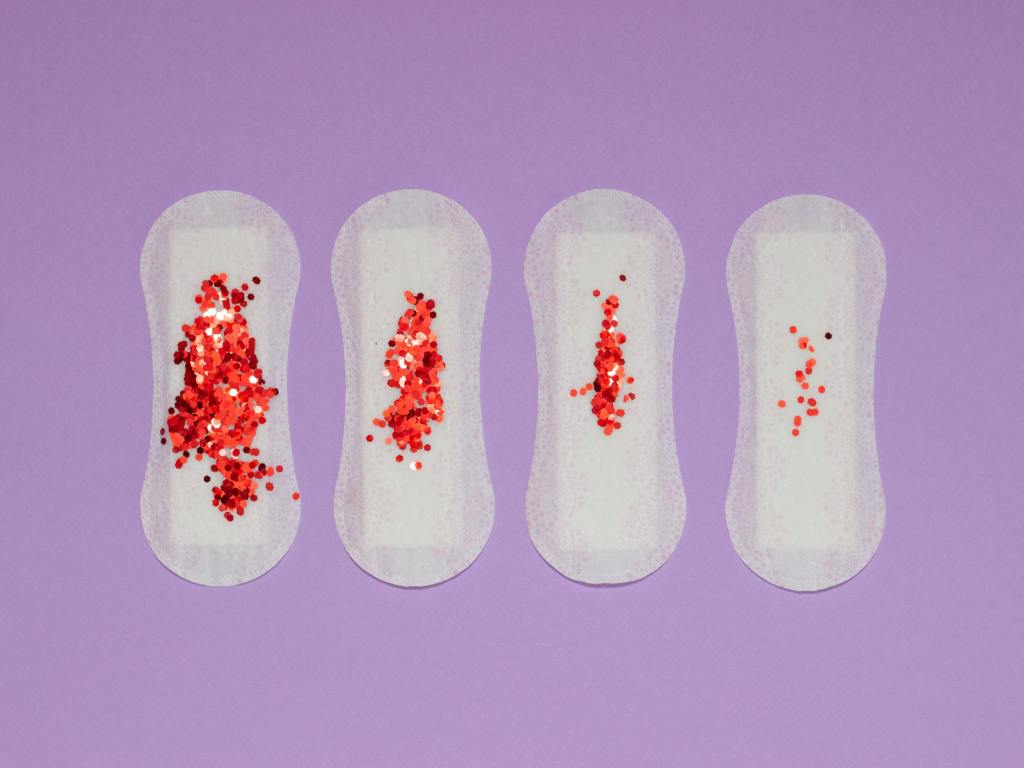
After the delivery, you will experience postpartum bleeding or lochia. This starts off a little heavier the first few days and lightens over time. If you are breastfeeding, you may also notice cramping and small gushes of bleeding after each feeding. Additionally, you will also notice the same symptoms the more activity you are doing throughout the day. Regardless of whether you have a vaginal delivery or a c-section, this postpartum bleeding will occur. This is your uterus working its way back down to normal size. Prior to pregnancy, your uterus is about the size of your fist and then grows up to 39-40 cm right under your ribs.
Expect bleeding for about 6-8 weeks but you should not be experiencing bleeding that is so heavy you are soaking through pads in less than 2 hours. You also should not be feeling any severe pain or cold symptoms like a fever, body aches, or chills.
Mom Tip:
Definitely get some postpartum underwear. I personally loved the Always Discreet underwear over the huge pads and mesh underwear given at the hospital. Frida Mom also makes some pretty awesome products. This was not something I even thought of getting until my third delivery and I am so happy I did. It was so much more comfortable especially with a c-section scar.
Why Do I Still Look Pregnant?
This is the first question I get asked. You had your baby and you still look pregnant. This is normal. Even though the baby is out, the uterus does not go back down to normal size until about six weeks postpartum. Additionally, it depends on your body, how much weight you gained during the pregnancy, and most importantly…you just grew a baby for weeks, it is not overnight that you go back to pre-pregnancy body. Have some patience with yourself.
Postpartum Swelling
When you are in the hospital you aren’t moving around as much and you are getting so much fluid for medications or just hydration and when you get home you are just so swollen. This is normal, but it can become abnormal. Make sure you go for light walks and that you are still keeping up with your hydration. It may sound odd that drinking more water will help your swelling but think about it. Your body is holding on to that water, the more you drink, the more you pee, letting go of that extra fluid. If you notice that swelling is changing your weight (increasing) or you are feeling pain from the swelling, let that be a red flag. Sometimes that can be a sign of something more such as postpartum preeclampsia.
Postpartum Preeclampsia
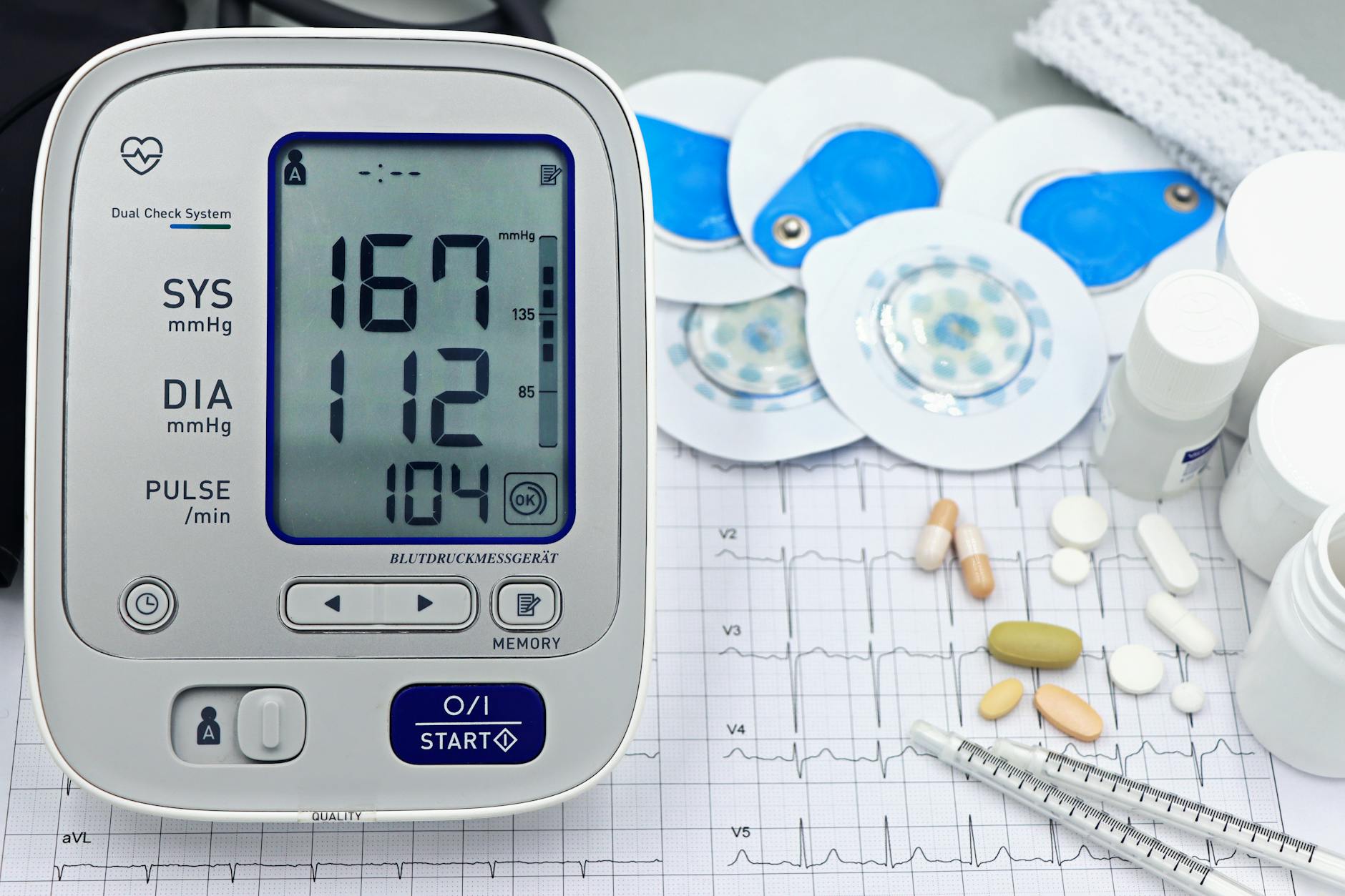
Speaking of postpartum preeclampsia, just know that this risk does not end just because you had your baby. You are still at risk in the first six weeks of the postpartum period. The symptoms to watch for are the same: new swelling that is changing your weight and is not improving with hydration, elevation, or movement; headaches that do not resolve with rest, hydration, and medication; new blurred vision or spots in your vision; right sided pain under the ribs, etc. If these symptoms occur go back to labor and delivery for evaluation.
Wait…Breastfeeding Isn’t Easy?
Breastfeeding is a full-time job, and it all depends on you and baby. A lot of moms that I see are not prepared for how much work it actually is to breastfeed. It becomes even harder if there are barriers such as tongue-tie (my last child). Those barriers do not mean you cannot successfully breastfeed, but it adds to the stress you already feel when it doesn’t come naturally. Additionally, even if your baby is sleeping longer, you still need to pump to keep up with your milk supply.
Mom Tip:
Even if breastfeeding is going well, it doesn’t hurt to have a lactation consultant to help you reach your breastfeeding goals. Also taking a breastfeeding class during your pregnancy or a postpartum doula are great resources as well.
Newborn (Lack-of) Sleep Bootcamp

I like to believe (or maybe I need to believe) that those nights of insomnia during pregnancy are meant to prepare you for what I like to call baby bootcamp. You are literally running off of adrenaline when you have a newborn, and once you’re out of that stage and look back you either completely forget what it was like or you remember but don’t understand how you even functioned in those early months.
Trouble in the Potty
It is not discussed enough how hard it can be to have that first bowel movement after delivery. You haven’t been moving around as much, maybe you have a vaginal tear or had a c-section. Either way the first bowel movement can be stressful because you are so afraid you will mess things up down there. Take the stool softeners that are given to you, it is meant to help with constipation and make it easier to go. Drink plenty of water (meaning 5-6 16oz water bottles) daily. Go for light walks to get things moving. You can start off in the hospital, not just when you go home.
Urination is not that easy also. It can feel like you have a urinary tract infection (UTI) which is sometimes true. Most times it is just because you had a catheter and that can cause you to have the same symptoms as a UTI. Some people will have urine leaking out with laughing or if their bladder is full. The baby sits right on your bladder the whole pregnancy which weakens those bladder muscles. I cannot stress it enough how important pelvic floor therapy is after you have a baby to strengthen your core muscles. The easiest thing you can start with are Kegel exercises. I recommend three Kegels every time you feed the baby to start off. Once you are cleared at your postpartum visit you can try core strength training. Look on YouTube for ideas or ask for a referral to physical therapy at your postpartum visit.
Feeling Alone
Depending on the support you had during your pregnancy or even if you are the only one in your friend group that has a baby or maybe your friends’ babies are significantly older, you can feel isolated. Even when friends or family are there it can feel isolating because the visits are sometimes not about you and how you are doing, it’s about the baby.
Sometimes, friends and even family don’t understand how exhausted you are or maybe you are going through mental strain. I believe that your friends and family want to be there for you, but sometimes they may not understand how they can be helpful to you. Don’t be afraid or ashamed to ask for help. It does not mean you are unfit, that is a positive sign that you recognize that you are not at your best in that moment.
Friend Tip:
Check on your friend, not just the baby. Bring lunch or breakfast. When you come over allow the new parent to rest and not feel that they need to entertain you. Ask how you can help. Some great ideas outside of this is bringing a gift that is solely for your friend, it could be something simple like food, nothing too extravagant. You could even start a meal train, so the new parent(s) doesn’t have to cook for a little while.
Depending on whether your partner has leave time, this can also add to you feeling alone. You are home alone with this cute little person, but they cannot talk back or hug you when you need it.
It is easier said than done but try to get out there and do something for you. Go for walks to feel the sun, meet up with friends or have them come to you for some laughs and adult interaction. You need these things just as much as your baby needs you right now.
The Emotional Roller Coaster
If you think your pregnancy emotions are something, just wait until the postpartum emotions kick in. I felt that it was almost instant that the ups and down started. It felt like placenta out = BOOM, emotions. Your body was just pumped up with so many hormones for months and once you deliver you have a sudden loss of all of those hormones. No wonder it feels like you are on this emotional roller coaster.
It can be shocking though. You are supposed to feel this endless joy, and you do, but you also have this new sense of worry and protection for this little person. You also feel that you don’t have control over your emotions and sometimes we aren’t prepared for that feeling. This is normal especially after the first 2 weeks (postpartum blues), but it can become more severe and last for a longer time (postpartum depression). Did you know that postpartum depression symptoms do not always include thoughts of harm to your baby? Did you know that you can have postpartum anxiety as well? Worrying too much and being “overprotective” of the baby, insomnia, anorexia (if you have been following along with the blog, remember this is not taking in the food that your body needs, not the mental health definition), irritability, uncontrolled sadness, etc. are all signs of postpartum depression and/or anxiety. Although it is most common in the first six weeks postpartum, you really should watch for these symptoms for a year after.
Life can add to the emotional roller coaster. I cannot stress enough how sleeping when baby sleeps is so crucial to your recovery and mental state. I am speaking as someone who did not follow this after my first baby. I worried so much about the house being a mess or dishes in the sink. There is no timeframe for housework to be done. Let it sit, you will have plenty of opportunities in the future to do all those things. Lean on your partner, friends, or family for support.
Additionally, it does not matter if you carry your baby to full term (37 weeks+), you can still experience these symptoms regardless of your outcome.
The biggest thing you can do for yourself after your baby is to take it one day at a time. Again, it is easier said than done. Use your local resources as well. Some hospitals offer new mom groups that you can join in person (usually you can bring your baby) or virtually.
You are not alone.
You are doing you doing your best.
You are a boss.

Leave a Reply