

I have this conversation with patients a few times a week, sometimes daily. When thinking about periods, there is always the question of what is normal and what might be abnormal?
Similarly, birth control comes with its own set of concerns. I am frequently asked, “Do I need birth control?” or patients’ express “I’m not sexually active” which raises important points about contraceptive needs beyond sexual activity. Another common belief is “I need to have my period every month”
This will be a lengthy topic and will be split into separate posts.

Let’s Talk Periods
The more people I encounter, the more I realize that many people were not taught about their periods (both teens and adults) and how much more education we need to do as providers to clear the uncertainty about menstrual health.
So…What Is Normal?
When Will I Get My Period?
The average age to start the menstrual cycle (or period) is between 12-13 years old. However, the starting age can be as early as 8 (yes, 8 years old) and as late as 14 years old. Typically, once breast buds appear, it is estimated that menses will start the following year. Speaking as a parent, I would recommend planning a date day with your child to discuss the changes coming in their body. As a provider, your child’s primary care provider performs an exam each year and will begin asking if signs of puberty are occurring.
What Will My Bleeding Be Like?
Like everything in life, everyone is different. Your neighbor, your best friend, your classmate, or co-worker all have different bleeding patterns, and we are supposed to. Take their situations with a grain of salt and remember you do not have their full information to make a strong comparison.
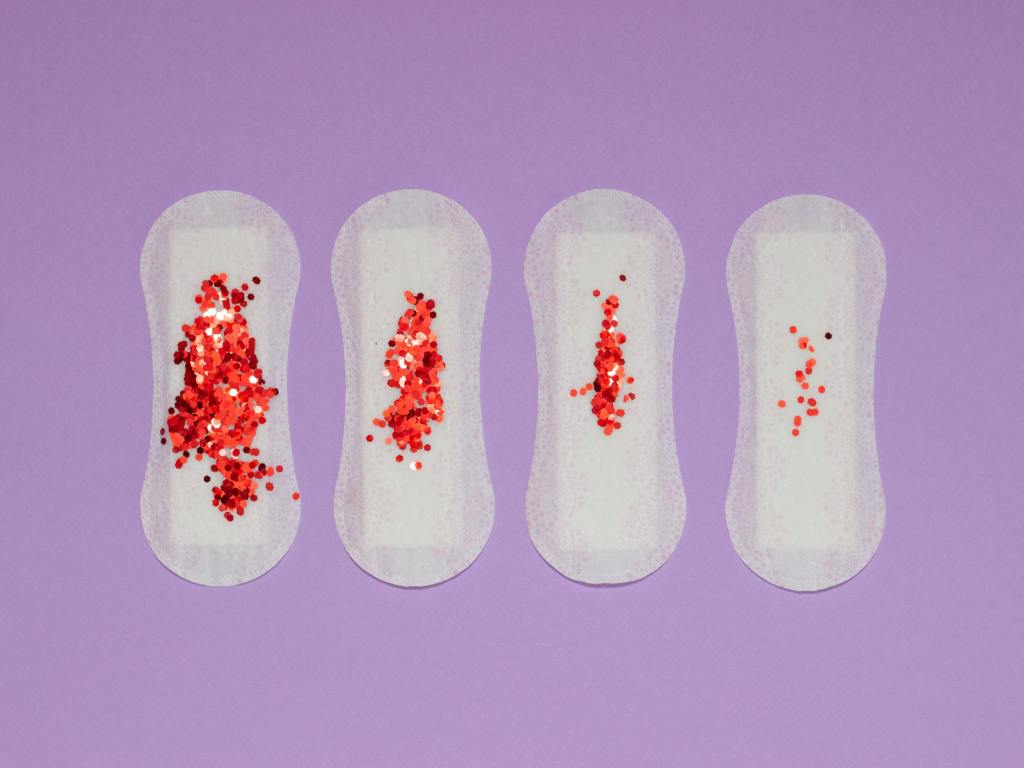
On average, bleeding can last anywhere between 3-7 days. That is considered normal. The average amount of bleeding is approximately 60 milliliters not to exceed 80 milliliters on a consistent basis. To put this in perspective, a super tampon can hold 10-15 milliliters and a super pad about 10-12 milliliters.
What will I feel?
Mild to moderate cramping that should be resolved or improved with Tylenol, ibuprofen (Motrin, Advil), and/or warm compresses. You may also notice breast tenderness, mood changes, trouble focusing, and fatigue. These symptoms can occur up to 7 days before the start of your period, during, or up to 7 days after.
How long is a menstrual cycle?
Day one begins on the first day that you have bleeding. An average cycle can last anywhere between 25-32 days. If you are just starting out with tracking your cycle, you can either download a period tracker app, like Flo or use a regular calendar and count 25-32 days on your calendar; be sure to star day 25, 28, 30, and 32 so that you can keep track on when your next period starts.
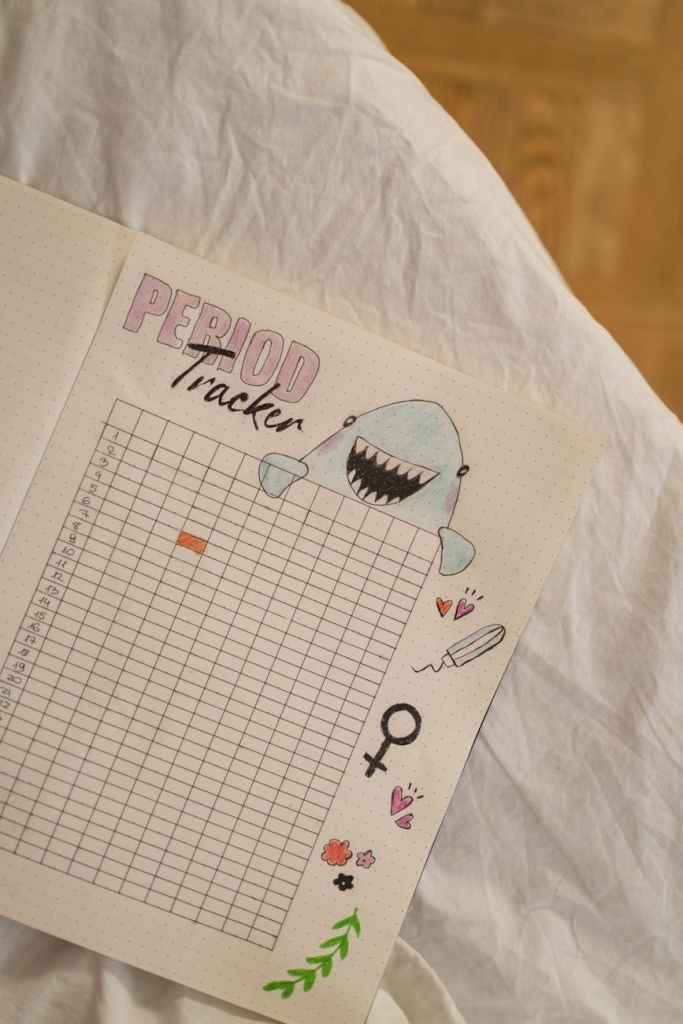
**An example, if the first day of my period is October 1, I will count 25-32 days starting with that date. Then I will star October 25, 28, 30, and November 1st . If the first day of my next period is on October 29, then I will start counting again with October 29th, as day one and so on. That means that for the month of October, my cycle was 28 days.**
Alright, so now we know how to track our cycles, how long we should be bleeding, how much we should be bleeding, and what symptoms to expect.
Now we need to know…
What is Abnormal?
How long is too long?
Bleeding more than 7 days is considered abnormal.
Bleeding outside of your period is abnormal. For example, you have a normal 3 to 7 days of bleeding, but then on day 18 or you start lightly bleeding (spotting) or have another full period.
It is important to note that I am speaking about abnormal bleeding that is not due to using hormones. These are abnormalities without medication.
Exceptions to the Rule:
- You can have abnormal bleeding the first 1-2 years of starting your menstrual cycle.
- You can also begin to have abnormal bleeding when transitioning to menopause. During this transition, it is recommended not to brush this off as normal and still be seen by your gynecologist to rule out additional causes.
- Underlying conditions: blood clotting disorders, uterine fibroids, polycystic ovarian syndrome (PCOS) to name a few.
Is My Period Heavy?
People often tell me that they have heavy periods, and the person is changing a pad once or twice a day. Even if that is heavier for you, it is not considered to be heavy (sorry). A heavy period is considered when you are soaking thru a FULL pad or tampon in 2 hours or less; waking up in the middle of the night to change completely soaked pads; and/or experiencing large clots (larger than a quarter). Personal hygiene does not count. I know sometimes pads or tampons are changed by some people every 2 hours, but it is only when someone is fully soaking (i.e. messing up their underwear, etc.) through a pad or tampon that is considered to be a heavy flow.
What Pain Is Not Normal?
Long story short, pain that is not resolved with conservative measures like a heating pad or medication, such as Tylenol or ibuprofen is not normal. It isn’t normal to have to miss school or work because of the pain of your period. It isn’t normal to have pain with bowel movements or pain down your legs during your period. I know sometimes we are just used to how things are with our bodies, but I want you to be aware of what you may need to seek care for. You don’t have to live in pain, go seek help.
Last up…cycles
Your menstrual cycle should not be longer than 35 days. We can have off cycles. Our periods don’t have to start on the same day each month; remember some months are shorter which can make it seem like you are having an irregular period if you aren’t tracking the actual days. If we are stressed or have lost/gained a significant amount of weight that can mess with your cycle. Being sick or certain medications can change your cycle. We can even skip a whole month of a period and not be pregnant, but it can be due to something external/internal. Someone who is constantly missing three or more months at a time, needs to be seen by their provider. That is not normal and can be concerning for issues such as thyroid disorder or PCOS.
It’s important to know your body and listen to your body. It’s also important to be ready to answer these questions when you go to the doctor. I hope that you feel more confident in knowing the answers to how long your cycle is and what your cycle is like the next time you go to your doctor.
Next week will dive into — Part Two: The Use of Birth Control

Leave a Reply