

You just had the bundle of joy that you have been waiting for. So why do you feel so sad or anxious? I want to start off by saying that I am in no way a psychologist or psychiatrist, but as someone who screens for postpartum depression and tries to get patients the help they need, I think it is imperative to discuss this topic.
Postpartum Blues vs. Postpartum Depression
Let’s start the discussion off with the difference between these two.
Postpartum blues starts shortly after the delivery of the baby. This is typically caused by the sudden loss of all the pregnancy hormones. During this time, you will have ups and downs. You can feel happiness one moment and be crying or angry the next. On average this occurs during the first 2 weeks postpartum. The lack of sleep and variability in your diet, etc. can heighten these symptoms. After a short period, the symptoms resolve on their own.
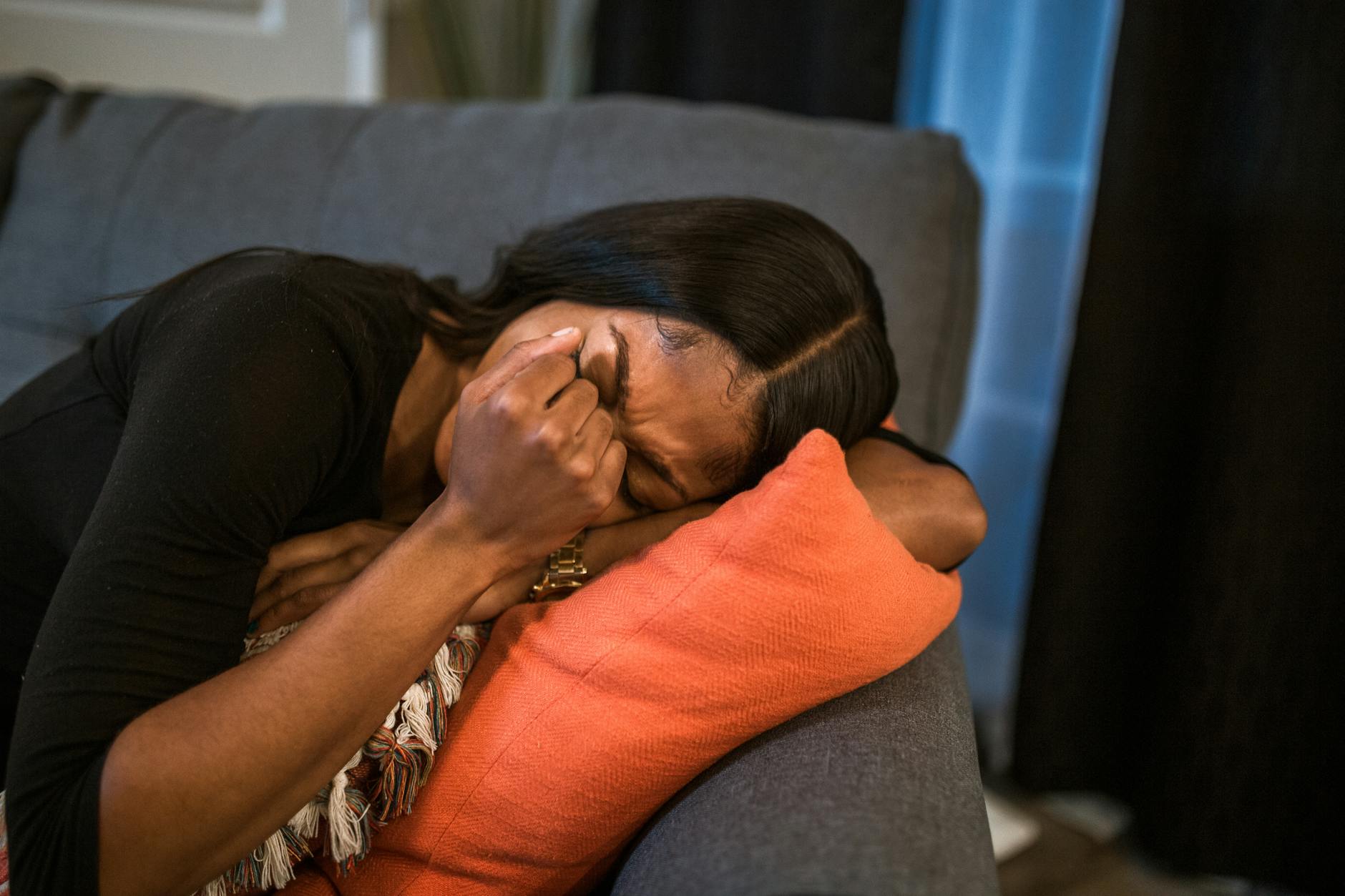
Postpartum depression (PPD) is similar to postpartum blues however it lasts much longer. PPD can last a few weeks to a year, sometimes more. Although it is more common in the beginning of your postpartum journey, it can occur anywhere within the first year. PPD is a very out of body experience. I am speaking as someone who has experienced this with my first and third child. You know you don’t feel right, you want to do things but just don’t have the energy both mentally and physically. You want to feel like yourself but just can’t pull yourself out of the feeling.
It is more than just not having the energy though. We often hear of wanting to harm yourself or the baby and technically those feelings are more associated with postpartum psychosis which would more likely occur in someone who has bipolar depression or schizophrenia. But for PPD you can experience insomnia, oversleeping, mood swings, trouble bonding with the baby, feeling disassociated from the baby, and/or worry regarding if you are a good mother or general worrying. These are just a few examples.
Did you know that excessive worrying over the baby or excessive fear that something bad will happen is a part of PPD? This is because PPD also causes an intense feeling of anxiety. You can also feel extreme fatigue. You may ask how can you feel the difference? You just had a baby, of course you’re tired, right? This fatigue hits differently though. You are physically tired, yes; but you also have mental exhaustion in a state where you already feel stretched thin. Even if you are able to get a decent sleep you still just feel so mentally exhausted.
You have trouble concentrating.
You feel in a daze.


Who Is at Risk?
Anyone is the short answer. There is no way to really predict if you are going to have postpartum depression. People who had depression or anxiety prior to conceiving, did not plan the pregnancy, have a lack of a support system, stressors that affect daily living such as your social determinants of health are potentially at a higher risk. Social determinants include: Do you have transportation to get to your appointments? Do you have the finances for your visits or even food? Do you have access to good healthcare? To name a few. These scenarios are stressful on their own, but then to have a pregnancy and new baby added to it can make things worse for people. That does not mean they don’t love or aren’t excited for their pregnancy or their baby.
How Can You Help? As Family Member or Friend.
Listen. Love. And just be there. That’s the simplest thing you could really do for someone.
I know everyone is excited for the new life, but don’t forget to check on the person who carried that life. Bring or cook food. Come over to watch the baby and allow for the most blissful shower or nap they’ll ever take.
Allow an open space to talk. In many situations people are afraid to be straight forward with how they are feeling mentally. Will you be judged for feeling the way you do? Will people think you aren’t a good parent? As hard as it is to hear it, I need you to FEEL it. You ARE a good parent. You CAN be open about how you feel.
If you don’t have the best support system, try your local resources. Some hospitals offer new moms’ groups where you can bring your baby and now even have a virtual option (thank you, Covid). You can meet other moms and just talk about what you’re all going through. You could even do mommy and me exercise classes to meet other moms and gain a support system. And of course, church. Some churches offer similar groups.
How Do You Treat PPD?
You can start with lifestyle changes. It is so hard to say go do something for yourself (I STILL have trouble not feeling guilty doing something just for me), but please do something that is just for you. A walk by yourself. Getting your nails done. Exercising alone. Reading. Something.
Try to eat a healthy diet. We often forget to eat regularly when we are in the throes of newborn parenting, but it is so important to be nourished and hydrated. It can be easy to eat things that aren’t the greatest for us when we don’t have the time to cook but remember those unhealthy things on a regular basis don’t help you to have energy for a long period of time.
Confide in someone. Whether it be your partner, friend, or family member, tell someone. Even if that person doesn’t know how to help you at the beginning, please don’t hold in how you are feeling. If you have a good support system with a partner or a friend, try to schedule times where you can sleep more or have a few moments of alone time. We all need moments to step away, and this makes you an even stronger parent when you are able to fill your cup.
Therapy. Just being able to talk to someone that is not family or a friend can be extremely helpful. This is someone you can talk to that is going to be completely unbiased. Who wouldn’t want that? Especially when you feel so judged already. Finding a good therapist is like dating. You may have to talk to a few before you find someone that you trust. Therapy is for YOU and you cannot be honest and share your inner most thoughts with someone you don’t like or trust.
Journaling. Therapy is not for everyone, but you could try to write your thoughts down in a journal or on paper that you can throw after afterwards. Like therapy, your journal won’t judge you.
Medication. Depending on the severity you may need medication and that is OKAY. When starting a medication, there is concern about whether you can take medication and breastfeed. You can. There are options that are safe and support your breastfeeding journey. Just know that medications are not immediate fixes, it is usually a slow ramp up and can take 4-6 weeks for you to notice a difference. Your family may notice a difference before you do.
Regardless of the treatment you choose, just know that there are many others just like you going through the same feelings.

You are not alone. You can and will feel like yourself again.
1 in 8 women will experience postpartum depression. Let’s normalize and support each other.

Leave a comment