
Last week we started the conversation on types of miscarriages. Honestly, any type of miscarriage can become high-risk if not treated correctly. This is why I cannot stress enough that women not only need to be treated but DESERVE to be treated for miscarriages. The fact that in some states you could be going through such an emotional and physical toll and the state can just say that you planned this and charge you of a crime. I won’t go into pro-life vs. pro-choice (even though you can be both), but I will say that as a provider, you should not feel stress over whether you will get in trouble for rightfully treating someone. Isn’t that a part of our oath? To not knowingly kill someone. Jumping off soap box now.
Anyway, I had a patient that was a teenage pregnancy last year that ended up being a high-risk pregnancy loss. I met her after she had already gone to the hospital and had gotten her diagnosis and surgery and she said to me that she wished this type of information was taught in school. I agree with her. We just teach about the risk of getting pregnant, but maybe we should inform people of the high-risk types of pregnancy. These include:
- Molar pregnancy;
- Ectopic pregnancy; and
- Blighted ovum
Just like any other pregnancy you get a positive pregnancy test. However, each of these pregnancy types will unfortunately lead to loss, regardless of intervention because the pregnancy is not viable. Recognizing and understanding them is vital for both physical and emotional health during and after a high-risk pregnancy.
So Let’s Dive Into It…
Molar Pregnancy
This type of pregnancy is rare (less than 1% of people) and is broken down into a complete molar pregnancy vs. a partial molar pregnancy. This is the type of pregnancy that my teenage patient had and wished was discussed. Did you know that molar pregnancies are more likely in someone under the age of 20 and over 40? It really does make you wonder why we never learned about this in high school sex education.
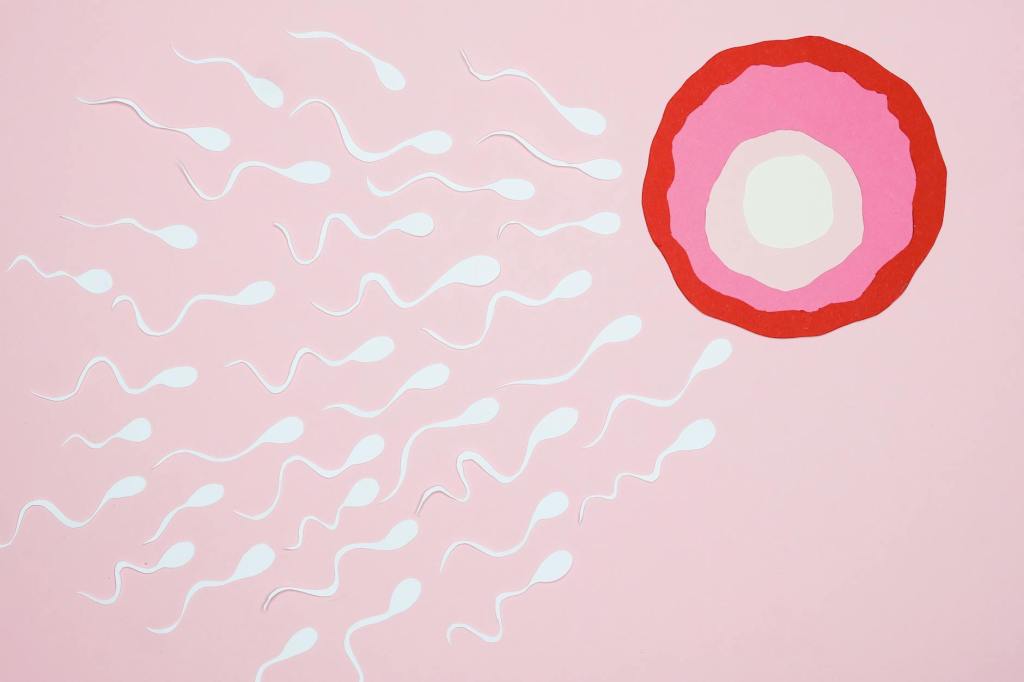
In a molar pregnancy, the egg and sperm meet as expected, however instead of developing an embryo, they create a noncancerous tumor. The tumor looks like tiny grapes that are water filled cysts or sacks in the uterus. It is usually visualized on an ultrasound or if blood work was collected, the pregnancy hormone, HCG or human chorionic gonadotropin, is abnormally high.
Complete Molar Pregnancy vs. Partial Molar Pregnancy
A complete molar pregnancy occurs when the sperm fertilizes in an empty egg leading to no embryo formation, but placental tissue still forms but forms abnormally into fluid filled cysts.
A partial molar pregnancy is like a complete molar pregnancy instead the egg is fertilized by TWO sperm leading to too many chromosomes that do not allow a pregnancy to continue because the pregnancy is unhealthy.
Symptoms of a molar pregnancy can be similar when compared to any other miscarriage, or you may not have any symptoms at all. Some can experience more severe symptoms like swelling of the abdomen, severe nausea and vomiting, or even seeing the grape filled cysts coming out of the vagina.
Treatment:
The treatment for this type of pregnancy is a D&C (dilation and curettage), you could potentially use pills but more than likely, a D&C is what you really need. You will then have bloodwork every week to get an HCG until the level reaches zero. Typically for a “normal” miscarriage, an HCG of less than 10 is acceptable, however for a molar pregnancy, you would need to make sure that the level is ZERO.
Complications:
It is safe to say that with this type of pregnancy, if this goes untreated it has significant risks such as sepsis, severe preeclampsia, and very rarely choriocarcinoma which is a form of uterine cancer.
What’s Next?
It is highly recommended that you do not try to conceive for at least one year following a molar pregnancy and at the absolute earliest, six months.
Ectopic Pregnancy
When an embryo develops outside of the uterus, most likely the pregnancy is inside of the fallopian tube instead of in the uterus, this is called an ectopic pregnancy. Normally an egg travels down your fallopian tube into your uterus to meet the sperm and then implants to the lining of the uterus (uterine wall). In an ectopic pregnancy, the egg stays in the fallopian tube or even the ovary (very rare). Ectopic pregnancies occur in about 2% of pregnancies.

Again, you can have typical symptoms of a miscarriage as well as back, pelvic or abdominal pain. If the fallopian tube ruptures you would experience sudden severe pelvic pain, bleeding, and low blood pressure.
**Note: Pregnancy is not meant to be anywhere but the uterus where the pregnancy can be supported so it is imperative to seek and receive care when this type of pregnancy is diagnosed. An ectopic pregnancy cannot just be moved into the uterus.
Treatments:
- Medication (methotrexate). This is given to stop the growth and ends the pregnancy and should not damage the fallopian tube. You do however need close treatment and again the HCG level needs to be checked weekly to assure that you are at ZERO.
- Surgery. Surgery either removes the pregnancy or the fallopian tube all together.
Complications:
- Just the pregnancy itself is life threatening and that risk increases if left untreated.
- Untreated ectopic pregnancies can lead to a ruptured tube (think of a balloon popping), resulting in a loss of the tube, but again life threatening.
- Internal bleeding
- If surgery: there is always a risk of bleeding and infection
What Puts You at a Higher Risk:
- Previous ectopic pregnancy;
- IUD especially when you conceived with an IUD already in place;
- Pelvic inflammation disease (PID);
- Endometriosis; and
- Surgery on your fallopian tube (for example a tubal ligation aka sterilization—this is part of the reason the tube is completely removed now)
What’s Next?
Typically, you would want to wait at least three months before trying to conceive again. You can be at risk for another ectopic pregnancy but that doesn’t mean you can’t have a normal pregnancy. If your ectopic pregnancy ended with a removal of the tube, it could potentially be a little harder to get pregnant again because there is only one tube left. Remember, if there was no damage to the ovary, you will continue to release an egg and there is no way of predicting which ovary will release an egg.
Blighted Ovum
An egg and sperm again meet as expected and fertilize in the uterus. This time the embryo never develops or stops developing early on. So typically, someone with a blighted ovum would get an ultrasound that just looks like a gestational sac and/or placenta but with no embryo. This usually occurs because there is something with the chromosomes that does not allow for the pregnancy to develop and continue and is the most common cause of a miscarriage.
Treatments:
- Watch and wait
- Medication
- D&C
Complications:
Complications are the same as the miscarriages we discussed in last weeks’ post (click here):
- Heavy bleeding/hemorrhage
- Infection
- Incomplete abortion
**It’s important to note that a fetus (baby) is not viable for life until around 24 weeks of pregnancy. These pregnancy losses that we discussed this time usually occur before or around 12 weeks of pregnancy.
I originally planned to discuss late trimester losses, however there are many causes for late trimester losses, and I think it would be too much for this specific post and will be saved for another time.
If you have had a pregnancy loss it is important to include this information when your provider is collecting your past medical history. Often, people do not disclose their losses to their providers out of shame, and some do not consider it a pregnancy, but it is very important information that can potentially drive your care. Any positive pregnancy test, regardless of the result of that pregnancy is consider a pregnancy and your provider needs to know that information.
One last thought—please don’t ask when someone is going to have a baby. I know it seems harmless, but you just never know what someone is going through or has gone through that could be triggering.

Leave a comment