

The holiday season has come to an end, and it makes me think about all the beautiful pregnancy announcements coming this month and next month. It also makes me think of the couple struggling to conceive or that has conceived and lost the pregnancy.
Did you know that 1 in 4 women will have a miscarriage? 1 in 4. That means that someone in your friend group may have had or will have a miscarriage. So how is that with miscarriages being so common, we rarely speak about it? It is something that is so “taboo” to discuss, yet we need more information on it.
I am 1 in 4. I have had 3 miscarriages, and it was devastating…Every. Single. Time. The excitement of seeing the positive pregnancy test just to have it ripped away. My husband and I even had one pregnancy confirmed, heartbeat and all, to have the loss the very next day. It is gut wrenching.
Did you know that there are different types of miscarriages? We will go into detail of each one:
- Chemical pregnancy
- Threatened abortion
- Missed abortion
- Incomplete abortion
- Spontaneous abortion
- Complete abortion
So, I used the medical terms for miscarriage and notice how the word, “abortion” is included in that. Crazy right? When thinking of abortion many don’t think of it as being a wanted pregnancy that ended in a loss. We can’t just be swinging that word around like it means the same thing for everyone. It does not.
Let’s Dive into Each One
Chemical Pregnancy
This occurs around 5 weeks or before. Honestly if you aren’t tracking your periods or not trying to conceive you would think your period is just late by a few days. Most people will recognize a chemical pregnancy by taking a pregnancy test right around 4 weeks (right at the missed period) and then one to seven days later you start bleeding. Chemical pregnancies are not generally associated with severe pain; however, you can have heavier bleeding and cramping. These pregnancies occur when an embryo implants, giving you the positive pregnancy test, but the loss occurs shortly after implantation
Treatments: none
Complications/risks: none
Threatened Abortion
This is literally as the name describes. A pregnancy that is threatened. Maybe the patient came into the hospital with bleeding, pain, or the viability of the pregnancy is uncertain. This would fall into this category.
Treatments: rest, rest, and more REST. You would also be educated on bleeding precautions and instructed when to return to the emergency department (ED). Reasons would include severe pain or heavy bleeding (soaking through pads in 2 hours or less). You may also be told that you need to be on pelvic rest which means nothing inside the vagina, such as tampons or sex and no heavy lifting that would cause strain to the pelvic floor.
Complications/risks: miscarriage
Missed Abortion
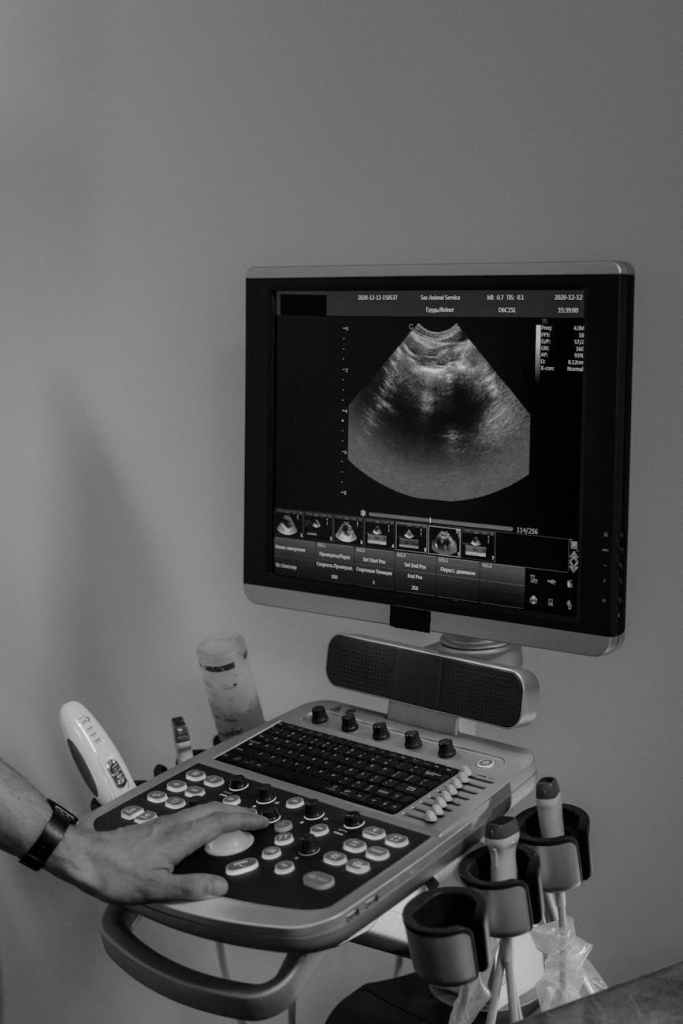
This occurs when someone has zero symptoms of a miscarriage. No bleeding. No pain. The person most likely either went to the ED for a reason or went to their OB/Gyn to confirm the pregnancy and the pregnancy is visualized on ultrasound, but there is no heartbeat and/or no heartbeat with the measurements significantly off from how far along the person should be.
Treatments:
There are a few options—
- Watch and wait (expected management). You can wait a couple of weeks to see if you start to have bleeding and pain on your own.
- Medication management. For this you would be given four pills to take either vaginally or in your cheek (buccally). You repeat the same dose after 24 hours. Bleeding and pain usually start after about 30 minutes however if you don’t have any bleeding after the first dose, it is recommended to the repeat dose after 24 hours. If there is still no bleeding after the second dose, seek guidance from your provider.
- MVA (manual vacuum aspiration) if this is performed at your clinic, it is a procedure that you would be awake for. This is also kind of how it sounds. A large syringe is used to create suction to remove the tissue of the pregnancy. This can also be used if someone has retained products (the miscarriage is not completely resolved).
- D & C (dilation and curettage), which would be performed while you are asleep (general anesthesia), usually in a hospital setting. The cervix is dilated and a small tool, a curette, is used to remove the tissue of the pregnancy. This is only performed in the first trimester.
- Note: A D&C can be used for various reasons in GYN, so getting one is not always related to pregnancy.
- D & E (dilation and evacuation). This is performed if the miscarriage occurs in the second trimester. This is also performed in the hospital.
Complications/risks: incomplete miscarriage or retained products of conception, heavy bleeding or hemorrhage, infection
Incomplete Abortion
After bleeding and pain there are some cases when there is still placental or fetal tissue in the uterus, this falls under this category. This person may experience continuous light bleeding or heavy bleeding. Potentially vaginal odor, fever, body aches, or chills if infection is present.
Treatments:
- Medication. This is dependent upon whether medication was used prior and how many doses were used. The maximum use of the medication is 2 doses (4 pills separated by 24 hours), if you have reached this, you need to go to definitive options.
- MVA
- D&C
Complications/risks: hemorrhage, infection
**Note: It is extremely important to note that if you have any signs of infection, you NEED to seek help. Untreated infection can lead to sepsis, which can be life threatening.
Spontaneous Abortion
After having a confirmed pregnancy and then experiencing bleeding and strong pain. The bleeding will be heavier than a normal period and can contain tissue from the pregnancy or may be described as large clots. The bleeding can last up to 3-4 weeks. It also depends on how far along you are when the loss occurs.
Treatments:
- Expected management
- Medication, MVA, or D&C if retained products
Complications: incomplete miscarriage, hemorrhage, infection
Complete Abortion
After a spontaneous abortion with no complications, the miscarriage is considered complete.
Treatments: none
Complications: once completed, none
Regardless of the type of miscarriage, it is important to know that it is not your fault. There is an extreme amount of guilt that you feel during and after a miscarriage. You didn’t work too hard or stand for too long. It is something that you had no control over. First trimester losses are more likely due to a chromosome abnormality that did not allow for a healthy pregnancy to continue. There are some circumstances that can put someone at higher risk for a miscarriage, some include:
- Age: being over the age of 40 can increase your risk of miscarriage; those statistics of 1 in 4 change to 1 in 3;
- Uncontrolled chronic disease such as high blood pressure, diabetes, thyroid disease
- Side note: often people will stop all their medications once they are pregnant. If you are even considering pregnancy talk with your primary care to change to medications that can still treat your chronic disease and allow for you to try to conceive;
- Consanguinity: this is a pregnancy that is conceived with a blood relative such as a cousin, etc. Before you judge, there are some cultures where this is completely normal, but it does put the pregnancy at a higher risk;
- Certain blood clotting factors;
- Some medications;
- Some lifestyles choices: smoking, drug use, alcohol use;
- History of multiple miscarriages; and
- Uterine conditions: fibroids—not all uterine fibroids can lead to loss but depending on the size and location, they can make loss more likely
It is also essential to mention that if you have one miscarriage, or even more this does not mean that you cannot have children. After two or more miscarriages it is/should be recommended that you get blood work to check for clotting factors or additional causes/risks that you may have. If needed, a fertility specialist may be recommended to see if you or your partner truly cannot conceive.

Besides casting blame on yourself, it is also hard to manage a miscarriage both emotionally and physically. Because the pregnancy hormone is still in your body, you can still have the symptoms of your pregnancy, adding to the emotional strain.
Check on your partner. Because you are the one that is really feeling the outcome of a miscarriage, it can be easy to forget that your partner is also experiencing a loss. They may not have the physical, but they do have the emotional aspect as well. They also got excited and made plans for the future.
What’s Next?
You do not have a specific time period after the types of miscarriages we reviewed to try to conceive again. However, I recommend waiting until you are emotionally ready to try again. For tracking purposes, waiting until at least one normal period is fine as well.
**Next week we will dive into high-risk pregnancies that can lead to miscarriage.**

Leave a comment