
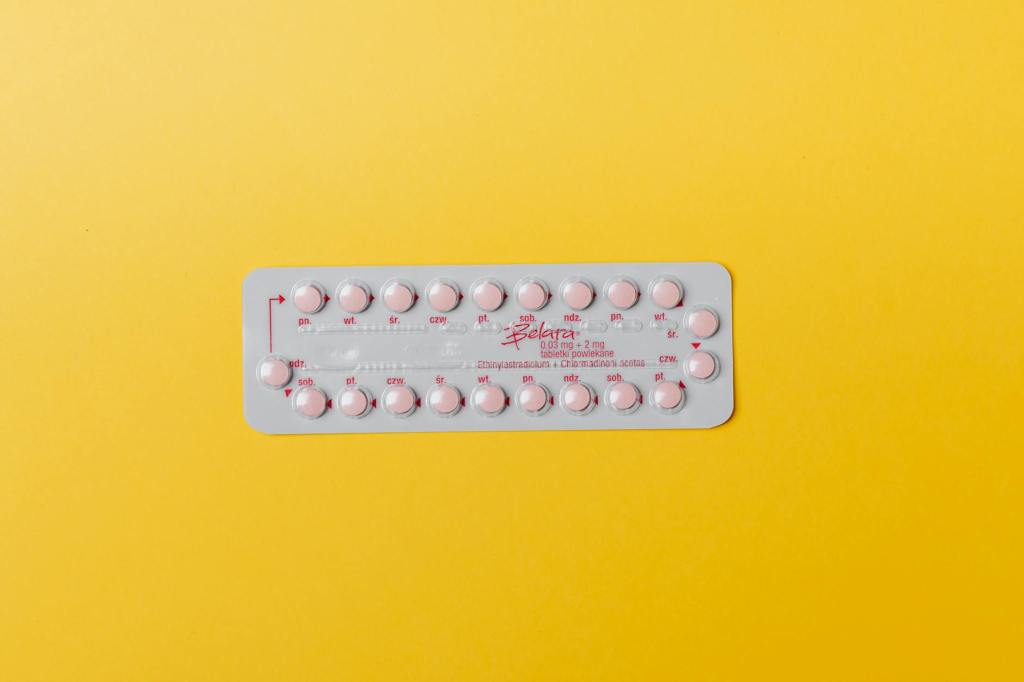
When thinking of birth control, the first instinct is to think of birth control only being used to prevent pregnancy. But there is so much more that birth control can help you with. From acne, managing painful periods, to regulating bleeding, there are so many uses.
I don’t know that I want to go into the different types of birth control methods (unless that is a topic you want to discuss later), but I do want you to know the differences between combination birth control (estrogen and progesterone) vs. progesterone only birth control.
Progesterone, the pregnancy hormone.
The progesterone our body naturally makes helps to keep the lining of our uterus thick to support a pregnancy. Those hormone levels increase in pregnancy and prevent ovulation (the release of the egg) during our periods. This is why we don’t typically get our periods during pregnancy. When someone is considering choosing a progesterone only birth control, it is important to note that since this is the “pregnancy hormone”, it is completely NORMAL to either not get a period OR to have a really light period. If you are unsure of which birth control you are taking, but you aren’t getting your period while on it, you are most likely on a progesterone only type of birth control.
This type of birth control is great for someone who has:
- PCOS;
- Endometriosis;
- Uterine Fibroids;
- Heavy periods;
- Breastfeeding; or
- You just don’t want your period (I would understand this 🙂 )
Looking back to last week with “I need to have my period”. If you do not have a period because of a progesterone only birth control, this is completely fine. You don’t need to have your period because this is a normal side effect. The progesterone is actually helping the lining of your uterus.
Now…if you are NOT on any type of birth control and not getting a period, that is not normal. Like I said before, stress and external factors can make you miss one, MAYBE two periods in a row. However, missing three months or more at a time, is not normal, especially if you are not perimenopausal, and can be damaging to the lining of your uterus. This would make me consider PCOS. And in someone with PCOS, the lining of the uterus continues to thicken which can put this person at an increased risk for uterine cancer and endometrial hyperplasia (an overgrown uterine lining).
How?
I probably should have said this last week, but during the time when we don’t have our period, the lining of the uterus thickens, as it should because our body is preparing us for pregnancy. Once our period comes, our estrogen decreases and the lining sheds; that’s our period. If someone is not getting that monthly shed (naturally), the lining of the uterus continues to be thickened, and the body is constantly providing estrogen without the decrease we should have before our bleeding starts. This is called unopposed estrogen. This is why someone with PCOS has a heavier period when they finally get their period, because the lining is so thick. The unopposed estrogen with lower progesterone is what increases the risk of abnormalities. This is the same in a menopausal woman on hormone replacement therapy. Depending on the type of estrogen they are using, it can increase their cancer risk if the person has an intact uterus—they would need progesterone as well as estrogen to manage menopausal symptoms. Someone without a uterus would not have this same risk.
Combination Birth Control (estrogen and progesterone)
This is usually the go to form of birth control. With combination birth control you will get your period every month. Typically, you have 3 weeks of medication that contains hormones and one week with either an iron supplement, sugar pill, or nothing at all. The week of the placebo is the week you should get your period. You also have the option of taking the combo hormones continuously if you want to skip your period (for vacation, etc.).
Combination birth control would not be recommended in someone who:
- Smokes;
- Has history of migraines;
- High blood pressure;
- History of stroke; or
- History of deep vein thrombosis (DVT aka blood clot in the leg)
The reason for this is because combination birth control already increases the risk for headaches, stroke, DVT, and higher blood pressure. This doesn’t mean that it will happen to you, but we are obligated to teach you about these risks. It’s a great option for those who want to improve their acne, have irregular periods, or just want to get on birth control for pregnancy prevention. It’s so great for those that want a more predictable cycle.
Whichever form you choose be aware that you are expected to have irregular bleeding for at least three to four months while your body is getting used to it.
To answer the question “Do I need birth control?”. I would answer yes depending on your situation. There are so many choices to choose from. Do you research and ask questions with your provider. And remember, birth control does not prevent sexually transmitted infections (STIs)—protect yourself.

Leave a comment